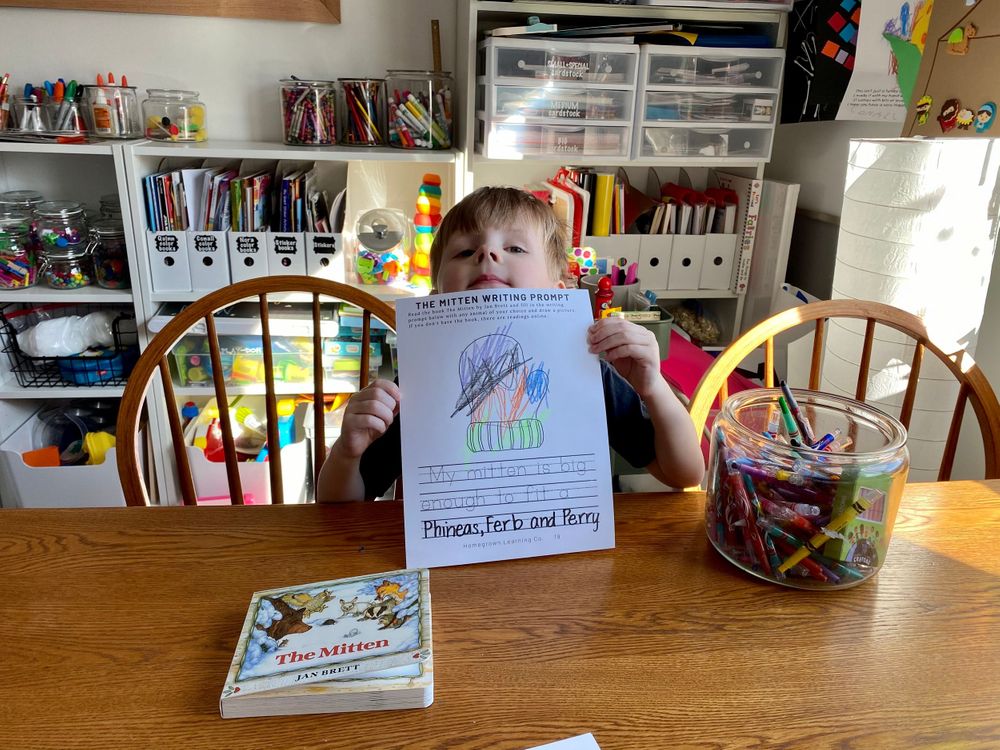
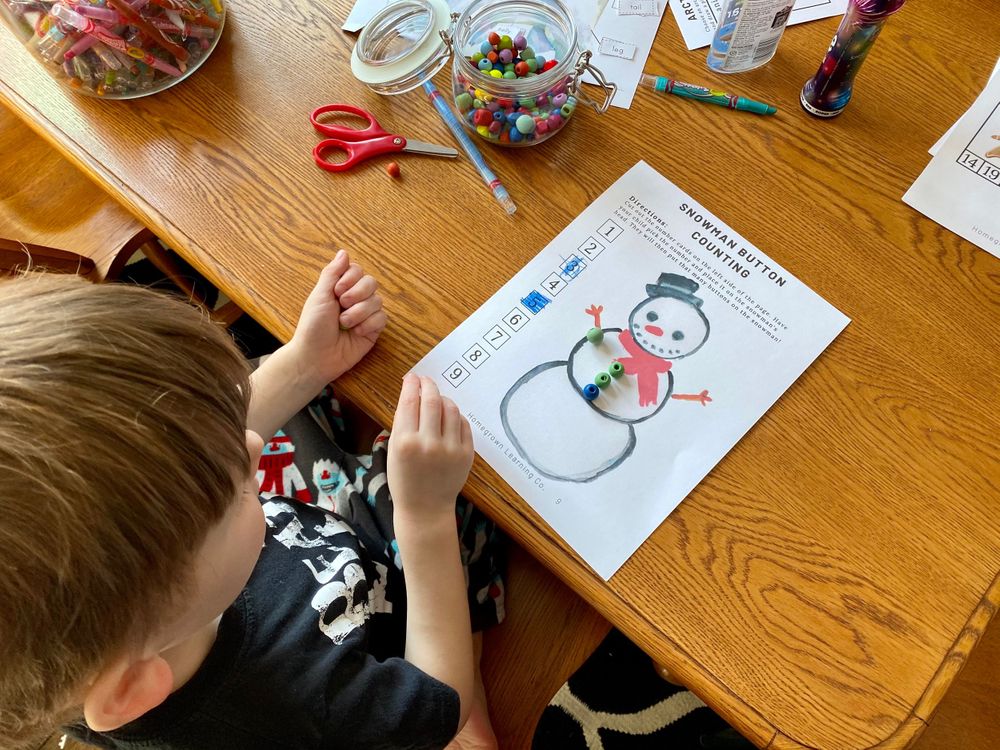
"Good thing we didn't do this unit in the summer!"
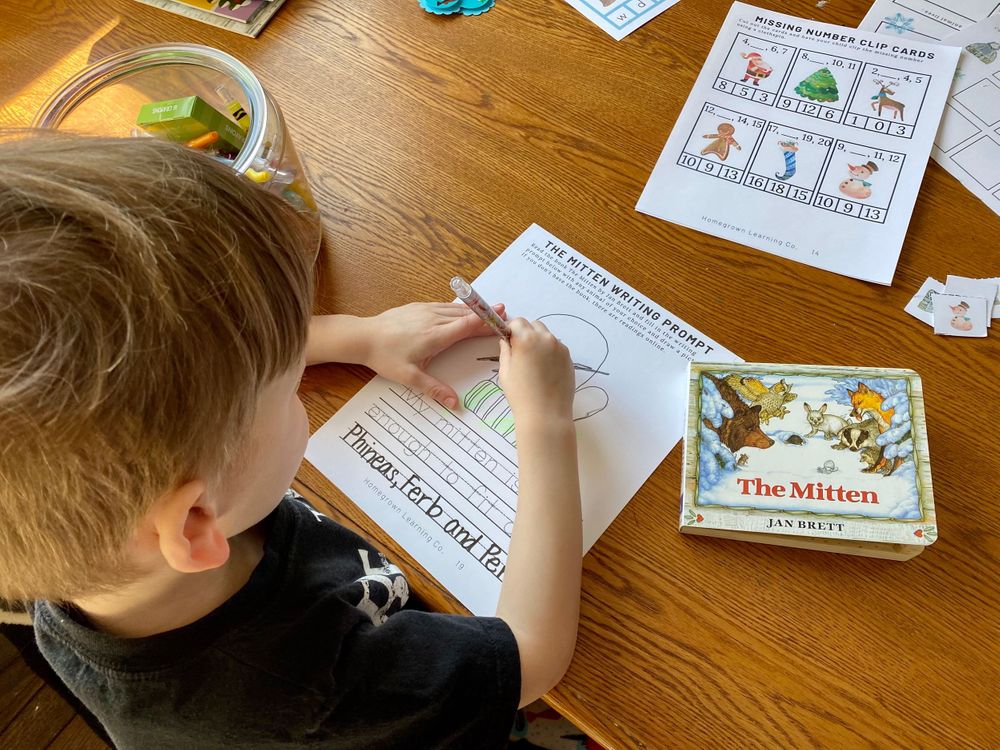
That's what my very observant, often unknowingly hilarious little, Conall, said on day 3 of this unit. Whether it was coincidence, sheer luck, or a very smart mama bear, we had our snow + arctic animals unit as the first couple of weeks back from Christmas break. And we got SNOW! Like, a hefty amount of snow. For the first time in two years. Thank you, homeschool gods!
On the very top of our planet is a cold, frozen place called the Arctic. It's covered in ice and snow, but lots of amazing animals live there!
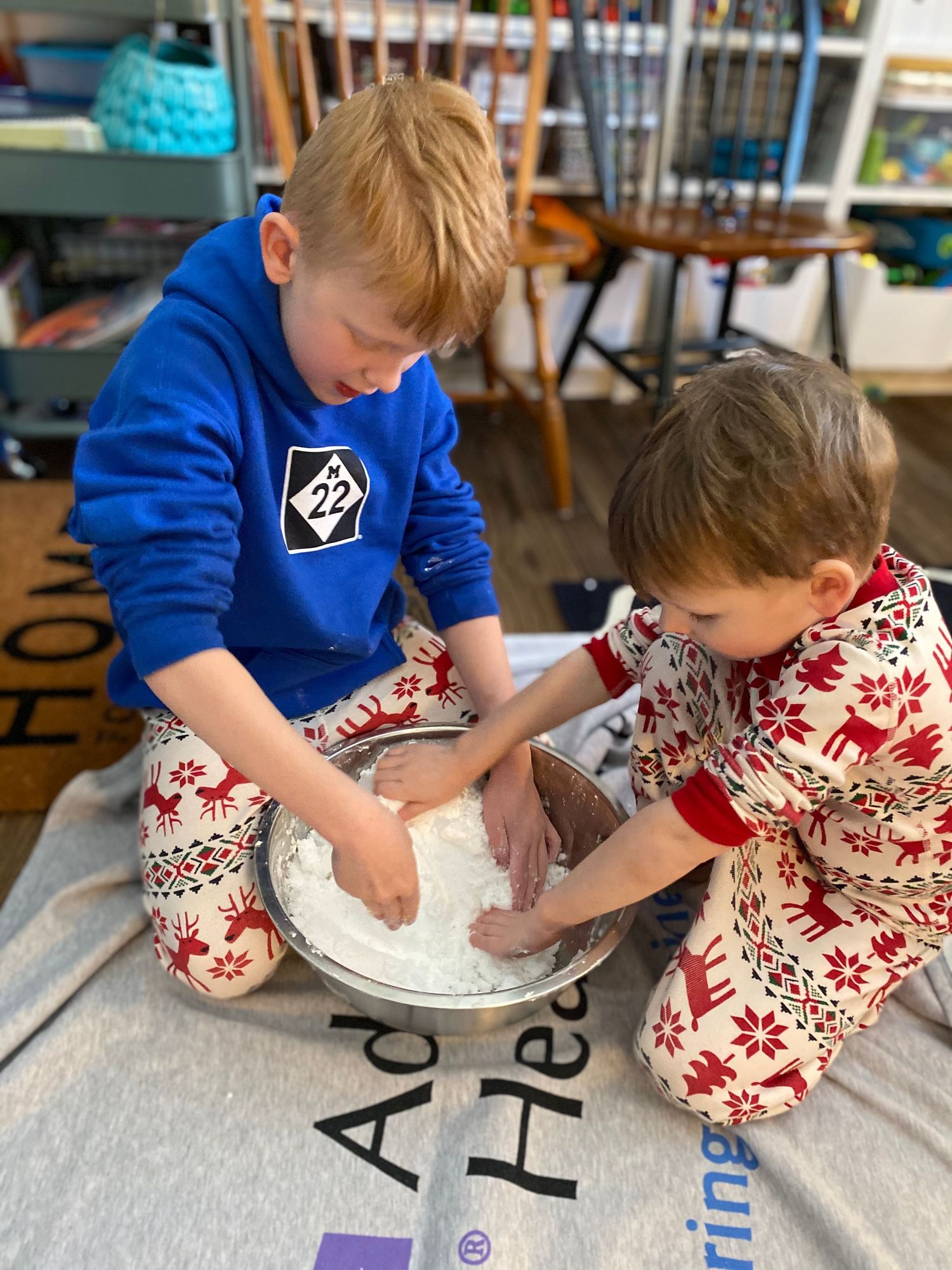
Making pretend snow
This activity was a hit! And with only 2 ingredients, it's darn easy to do too. The basic recipe is 5 cups of baking soda to 1 cup white conditioner. You can halve that, double it, fill your home with pretend snow and go sledding down the stairs.
The fun thing about this sensory bin is they got to actually make its contents. It's best stirred by hand and it actually feels cold like snow. And smelled good too! And afterwards, their hands were conditioned and soft and no longer had dandruff - just like the conditioner bottle promised!
The texture is really neat - kind of crumbly, kind of sticks together. They made a teeny tiny snowman with it which was so cute - I was in the middle of oohing and ahhing over the tiny snowman when they also made teeny tiny snowballs and threw them at each other and made a teeny tiny [actually large] mess. Fun times.
When you're done with your pretend snow, just store it in a ziploc bag for future fun!
Arctic animals and icebergs
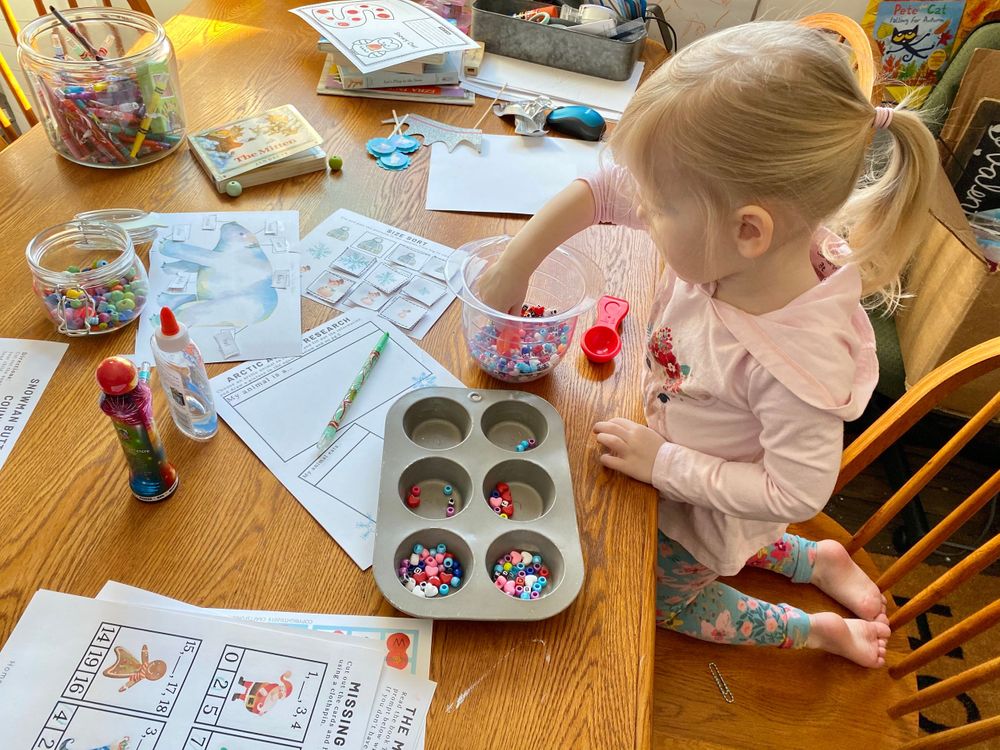
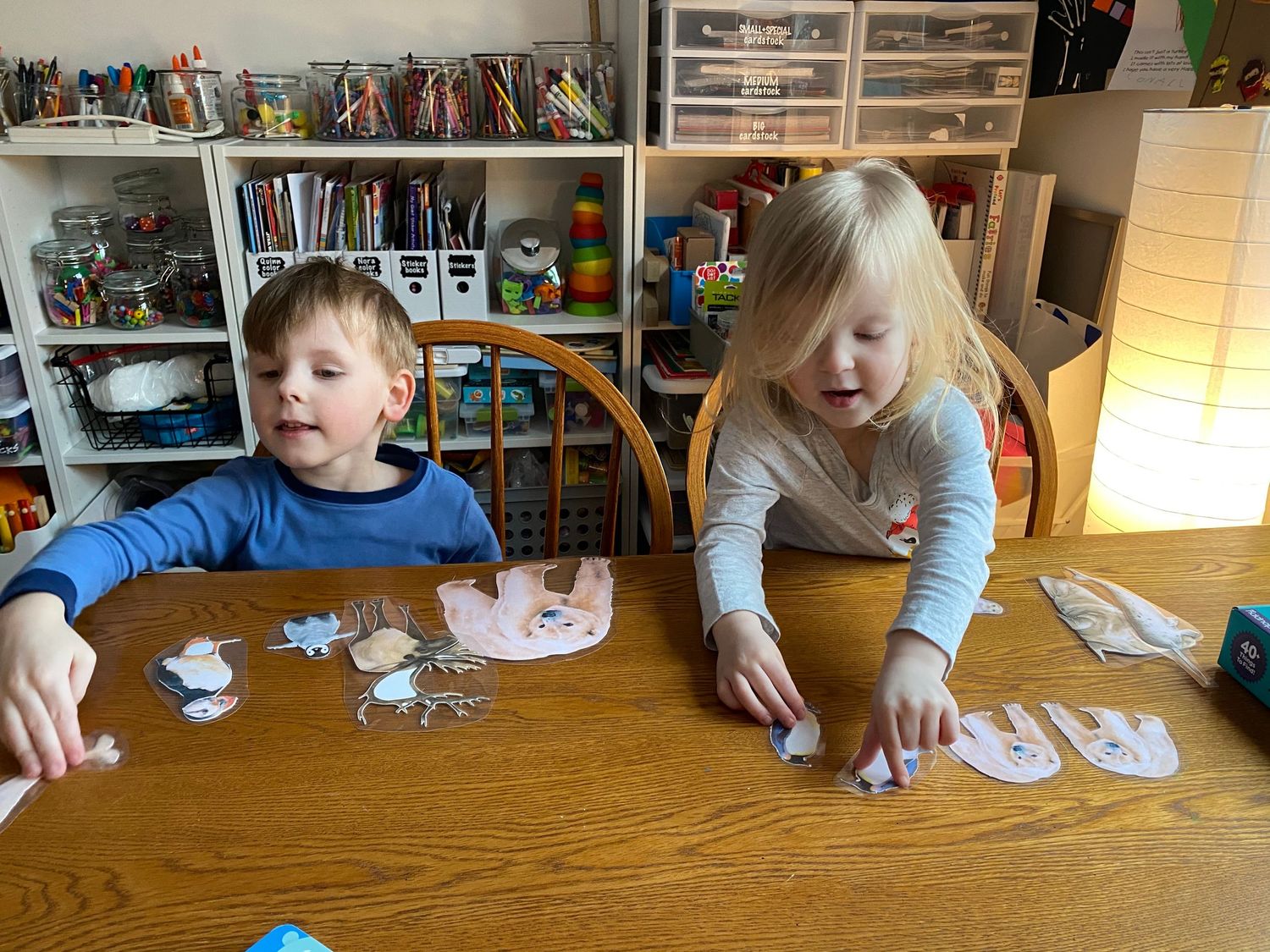
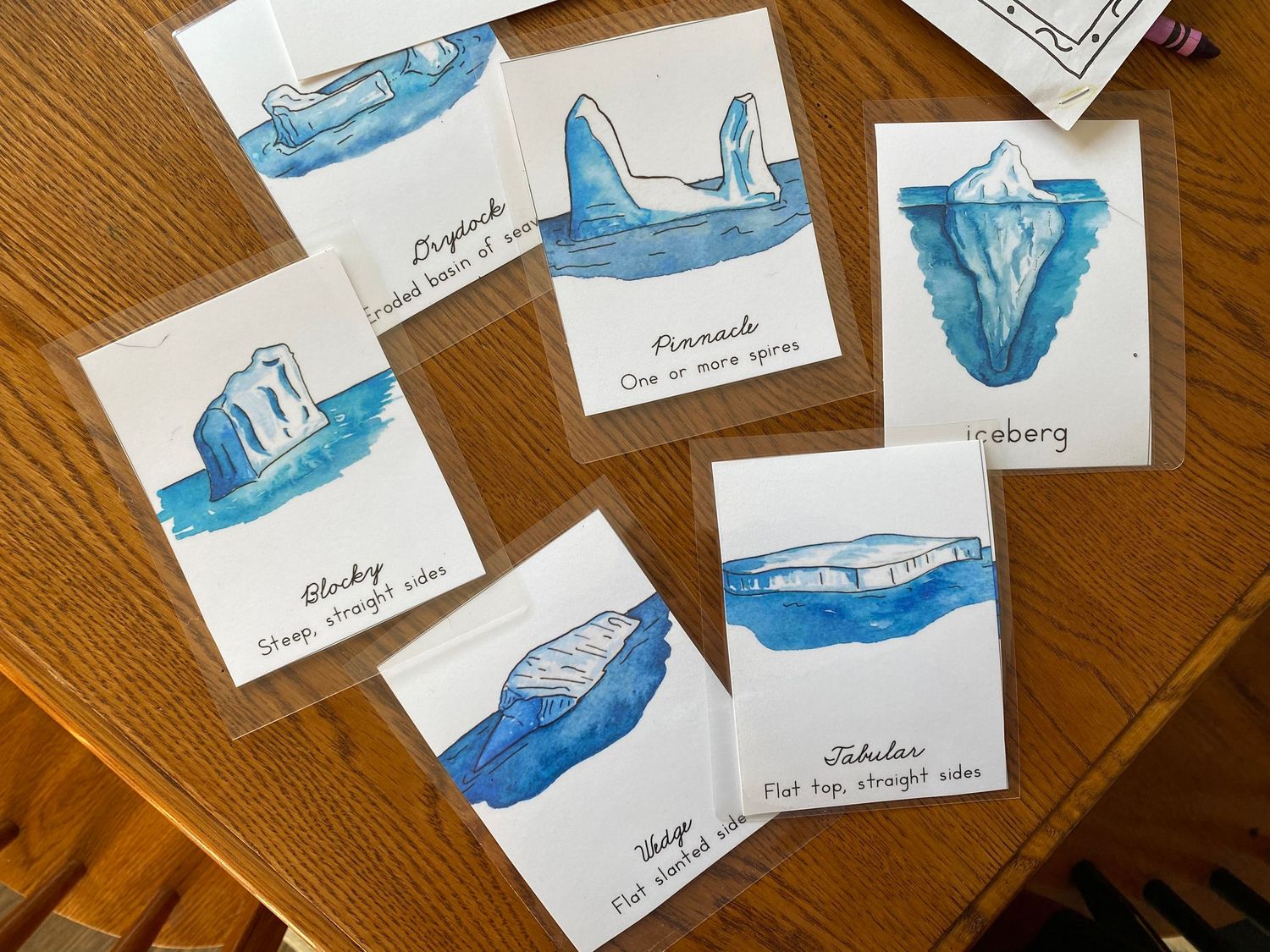
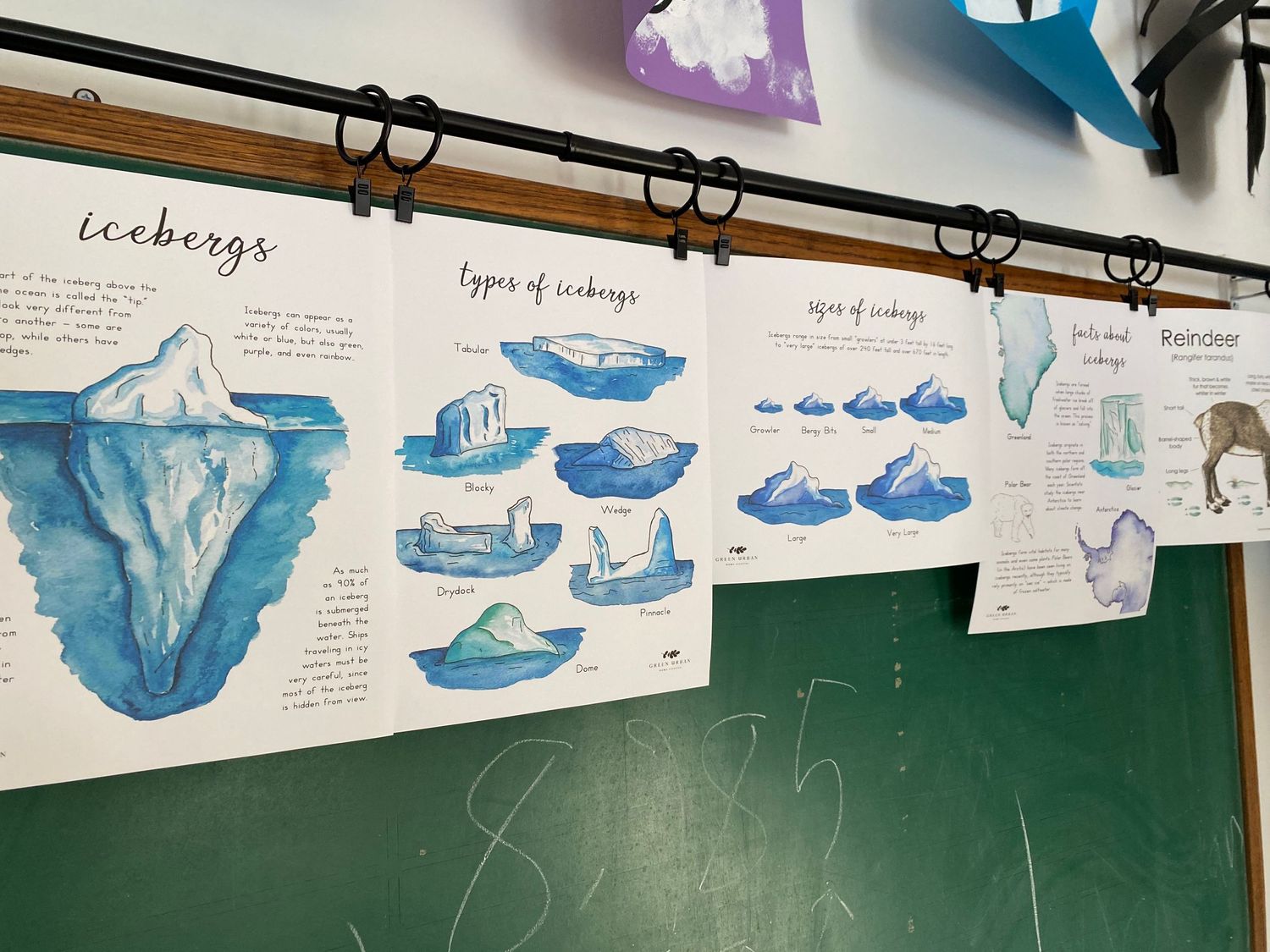
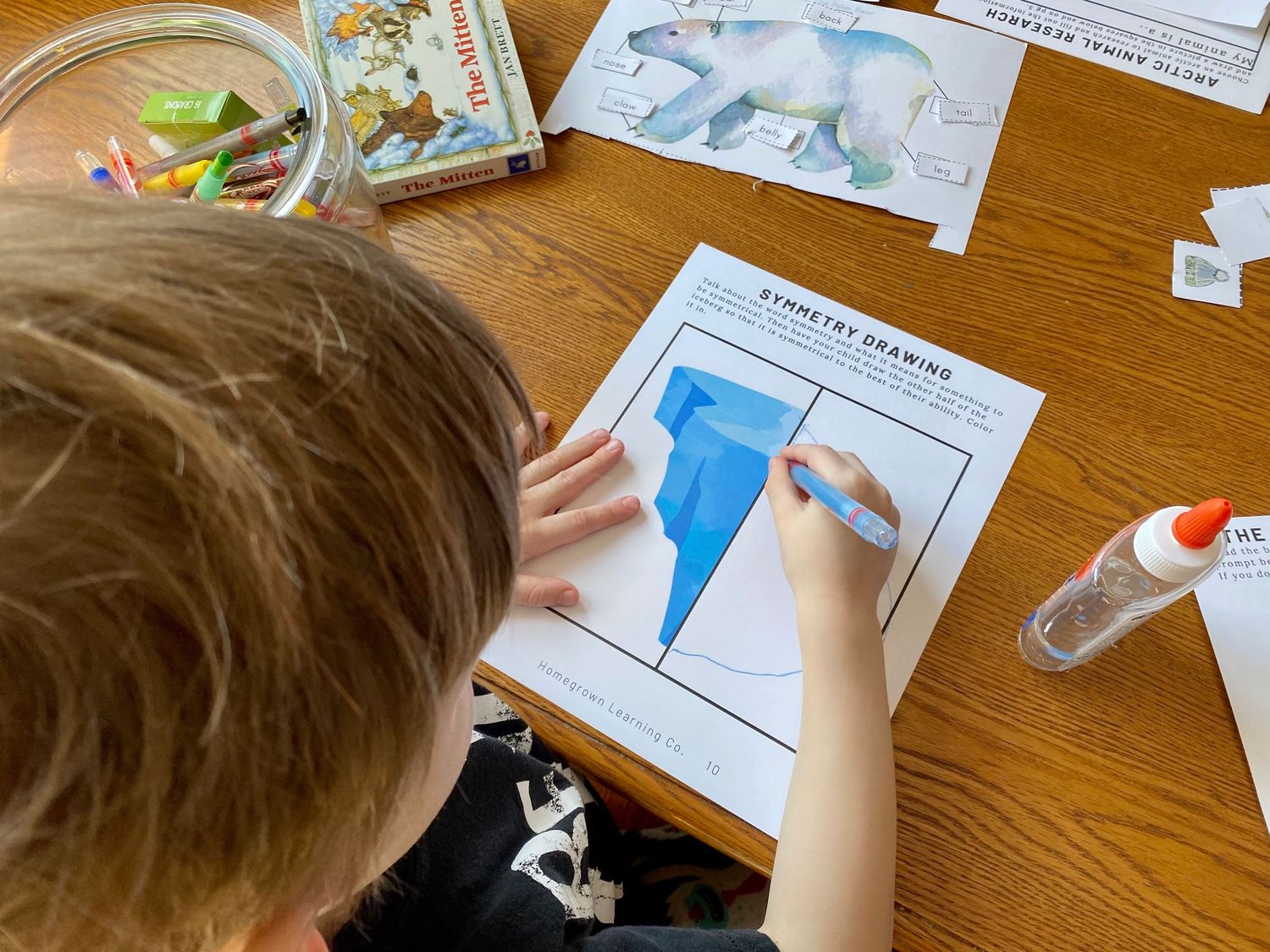
We learned about different kinds of arctic animals, their size, color, what they eat and where they sleep. We learned what makes them unique and able to survive where it's very very cold (blubber!) We also learned about icebergs; what they look like, where you can find them, how they float in the water, and how they're all different shapes and sizes.
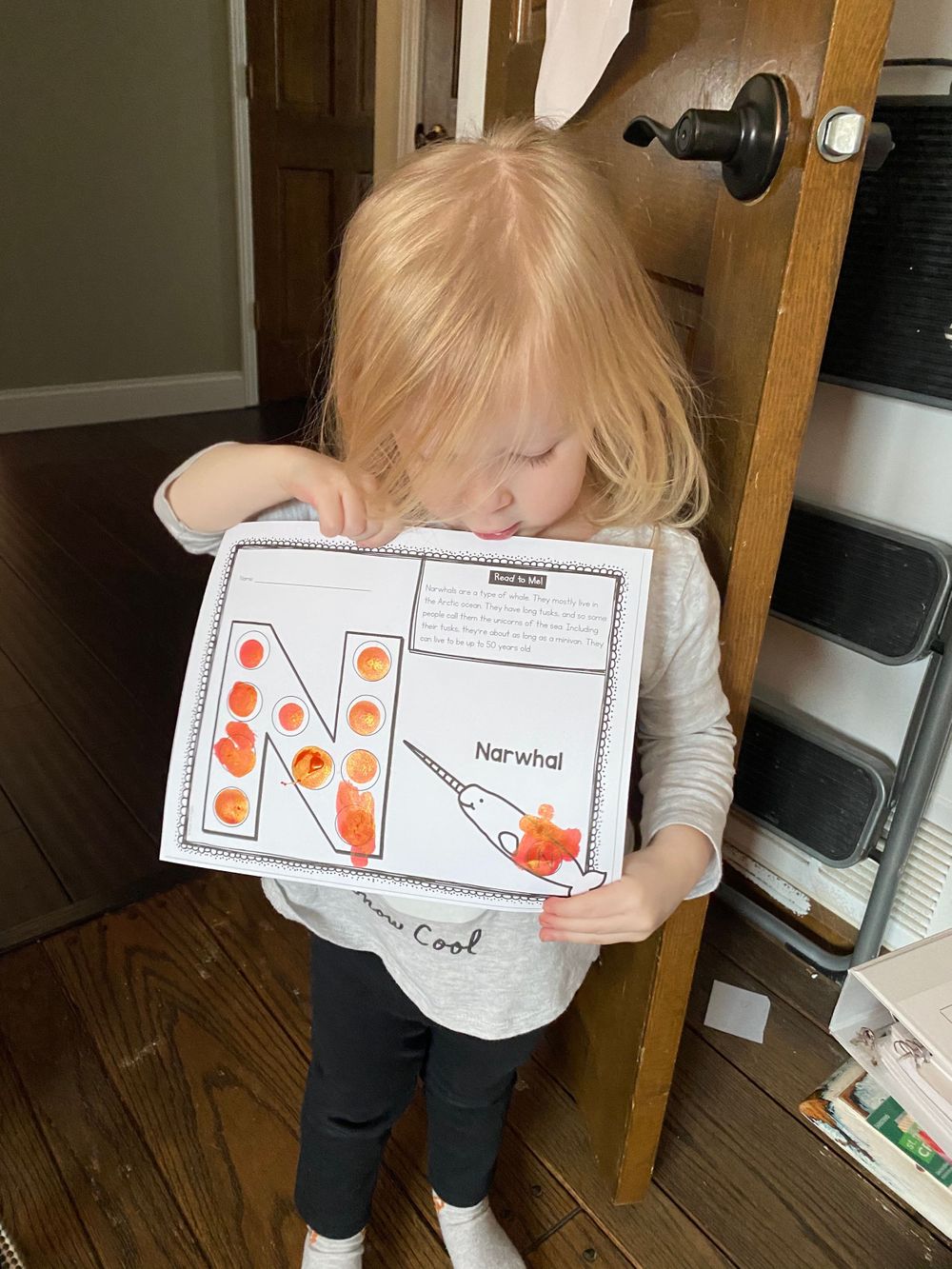
N is for narwhal
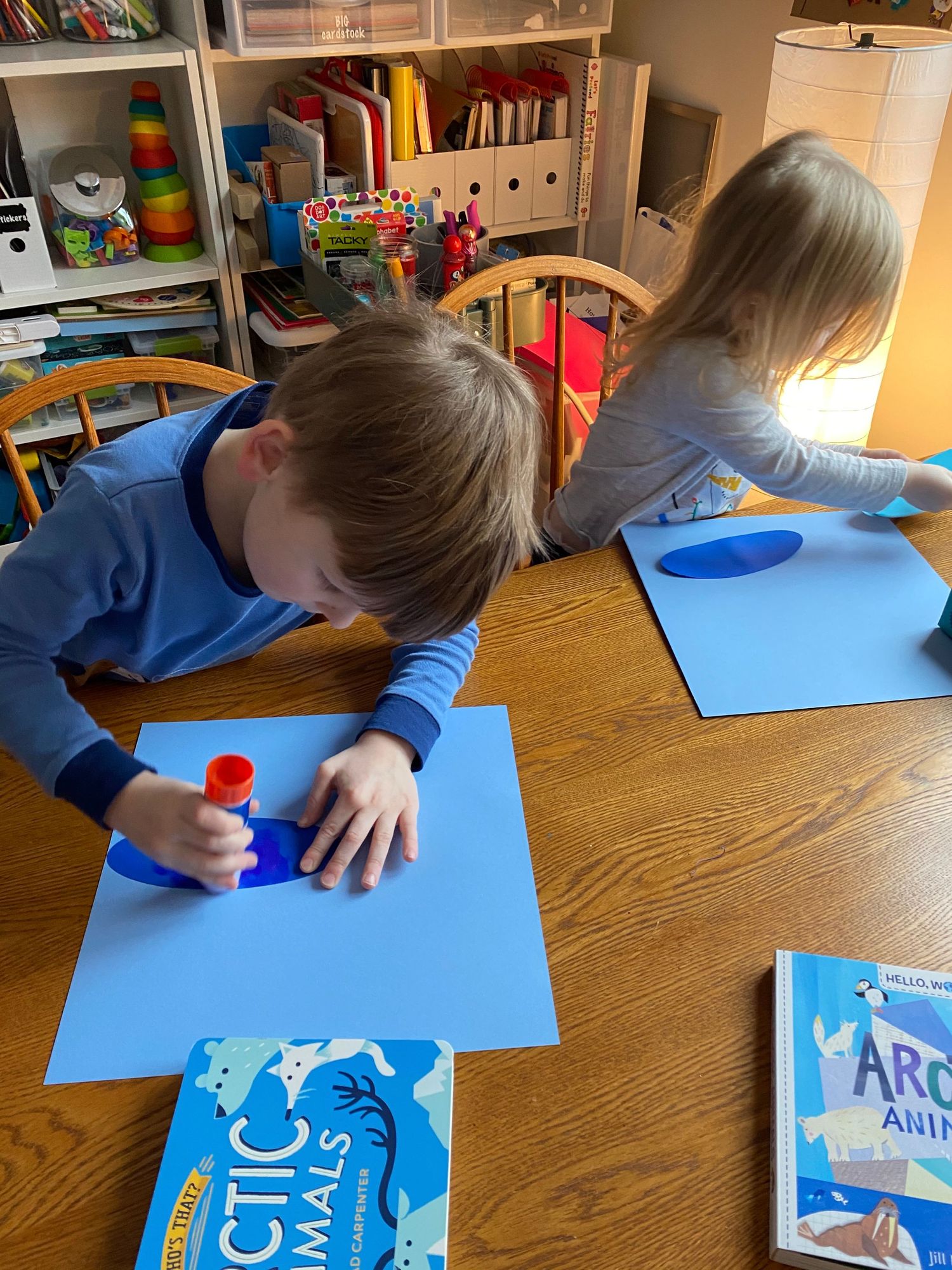
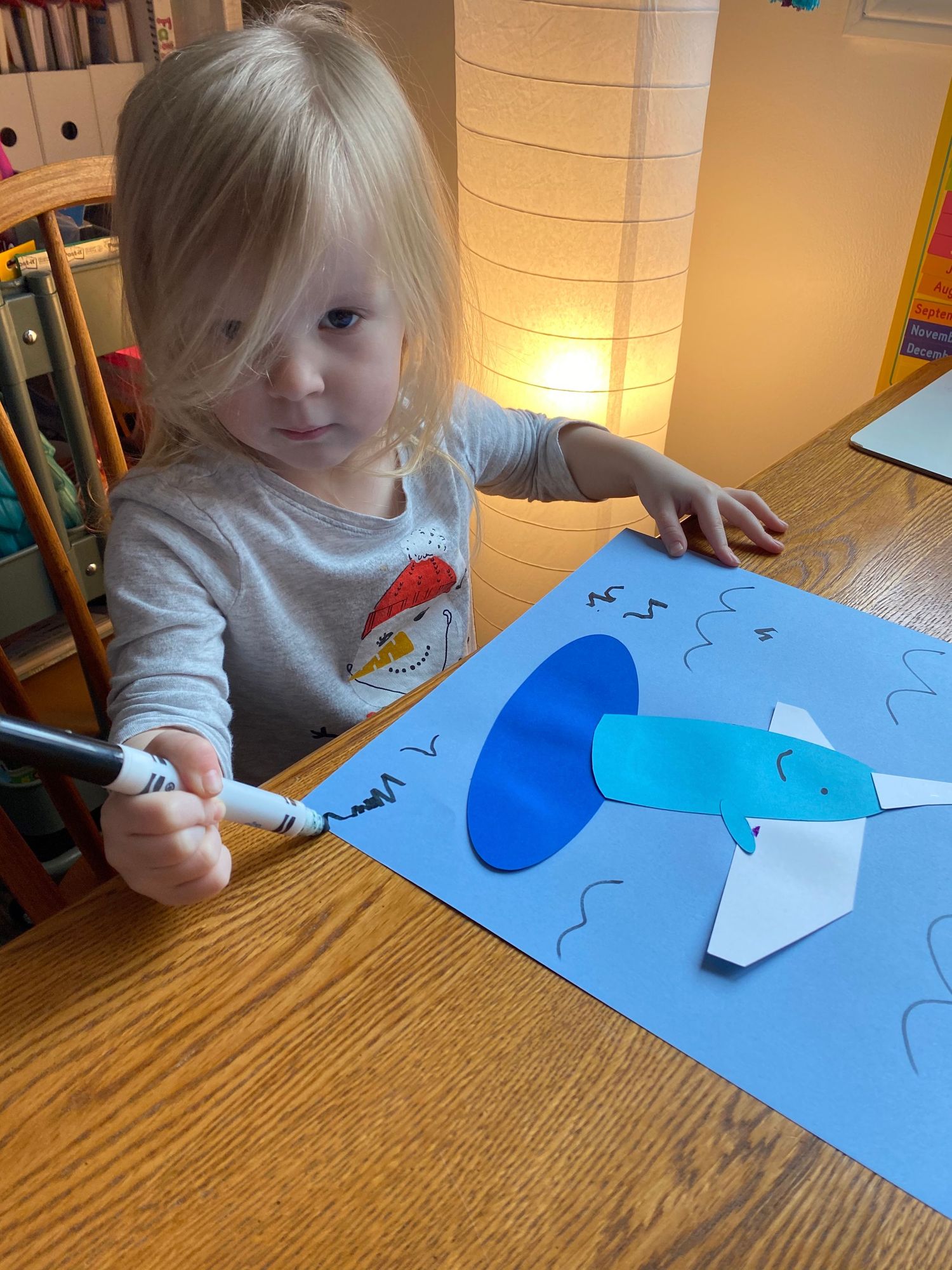
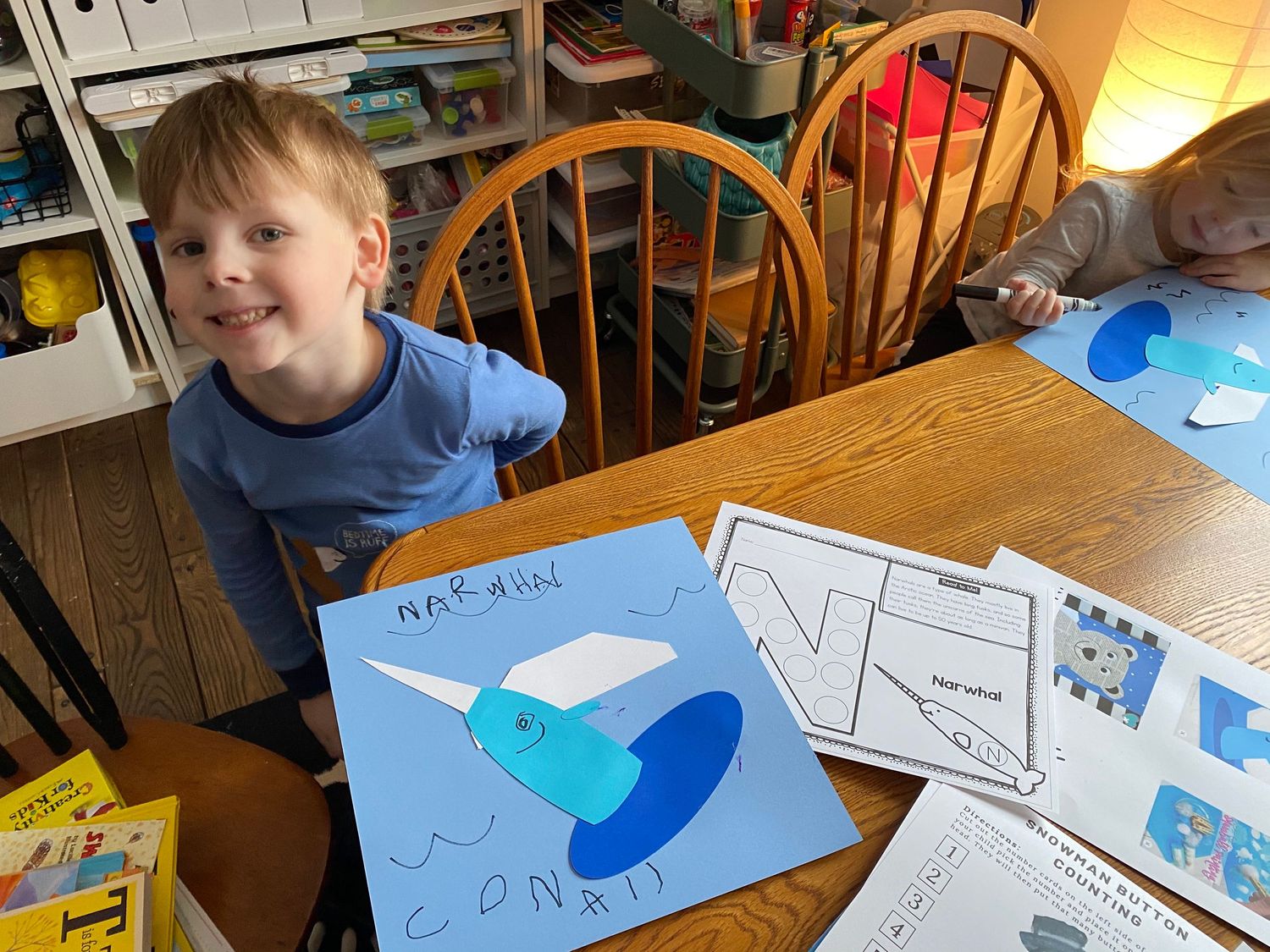
Did you know that the narwhal is a type of whale whose tusk is actually just a very long front tooth? We didn't either! We decided to call narwhals 'sea unicorns'.
Making snowflakes
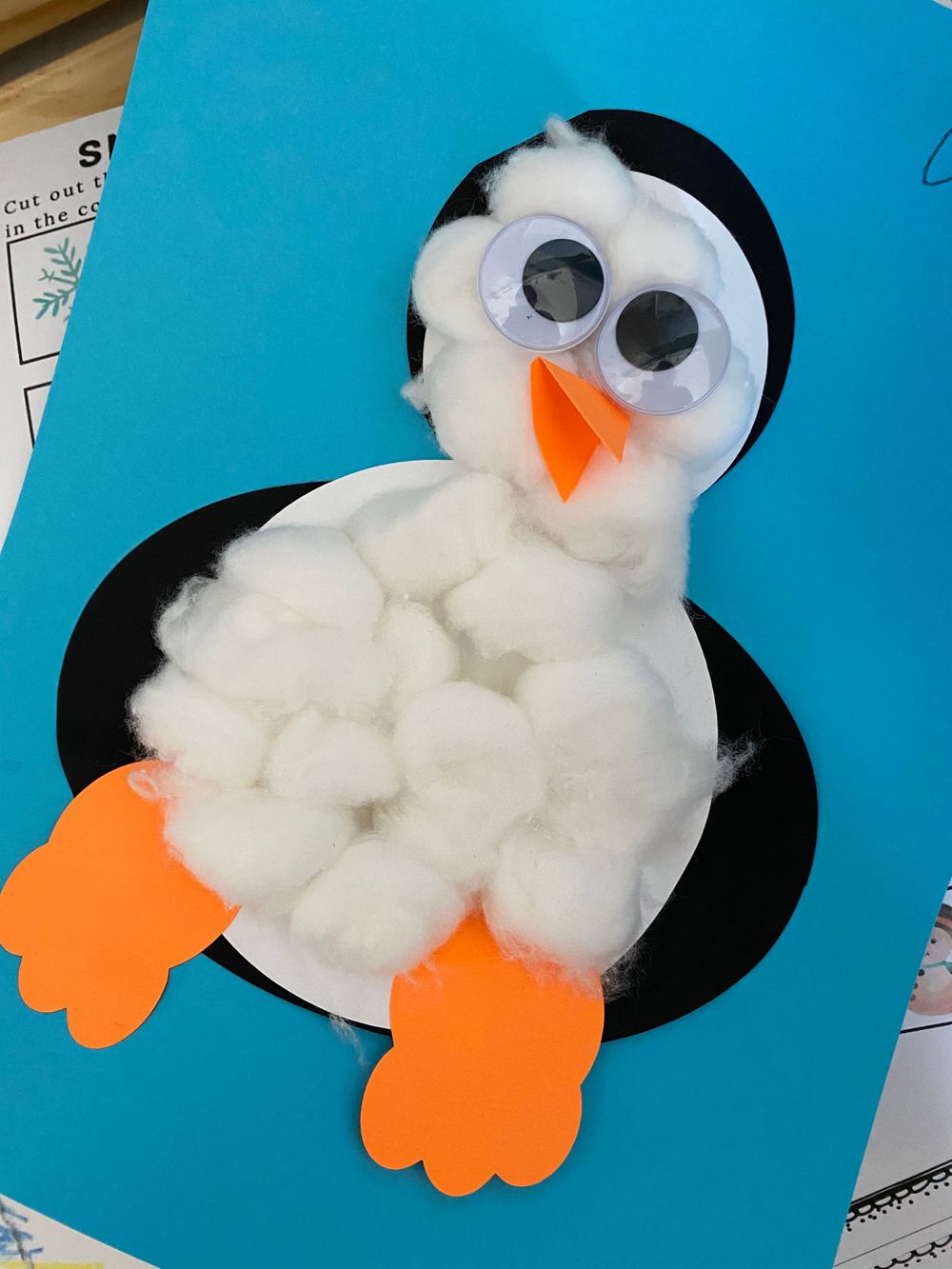
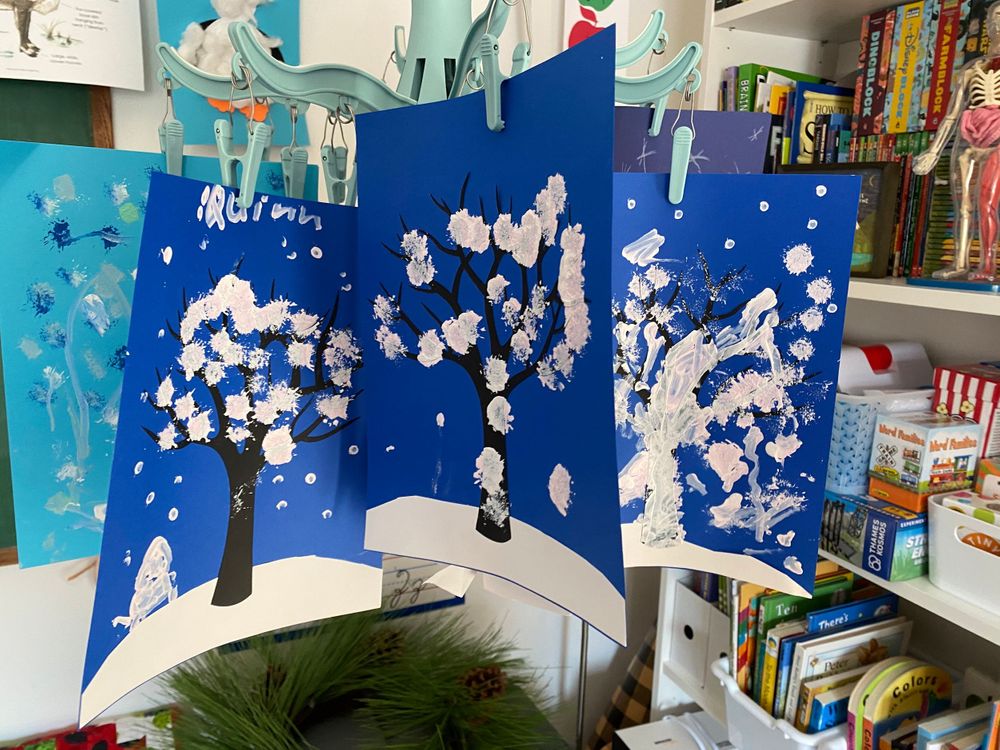
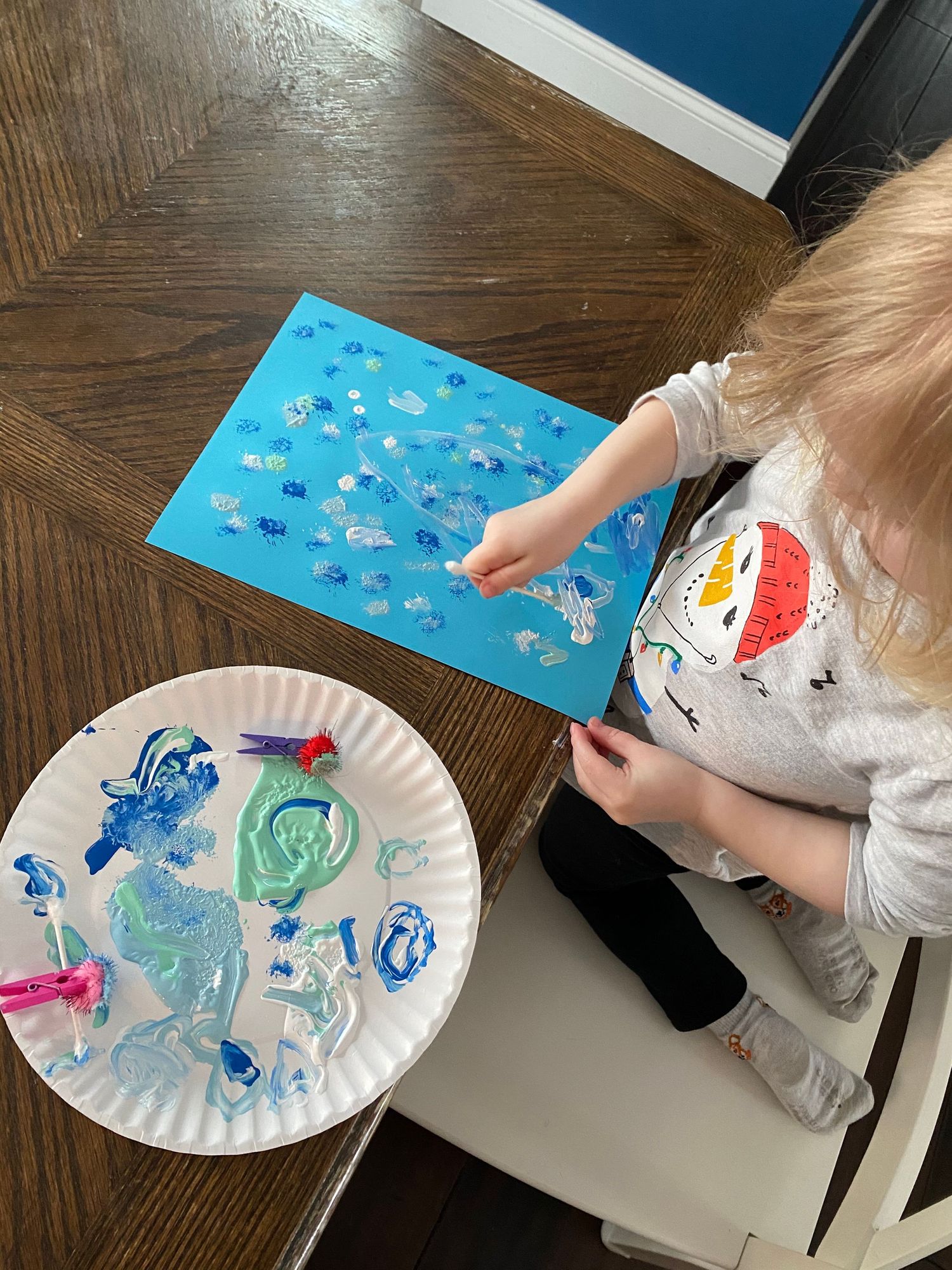
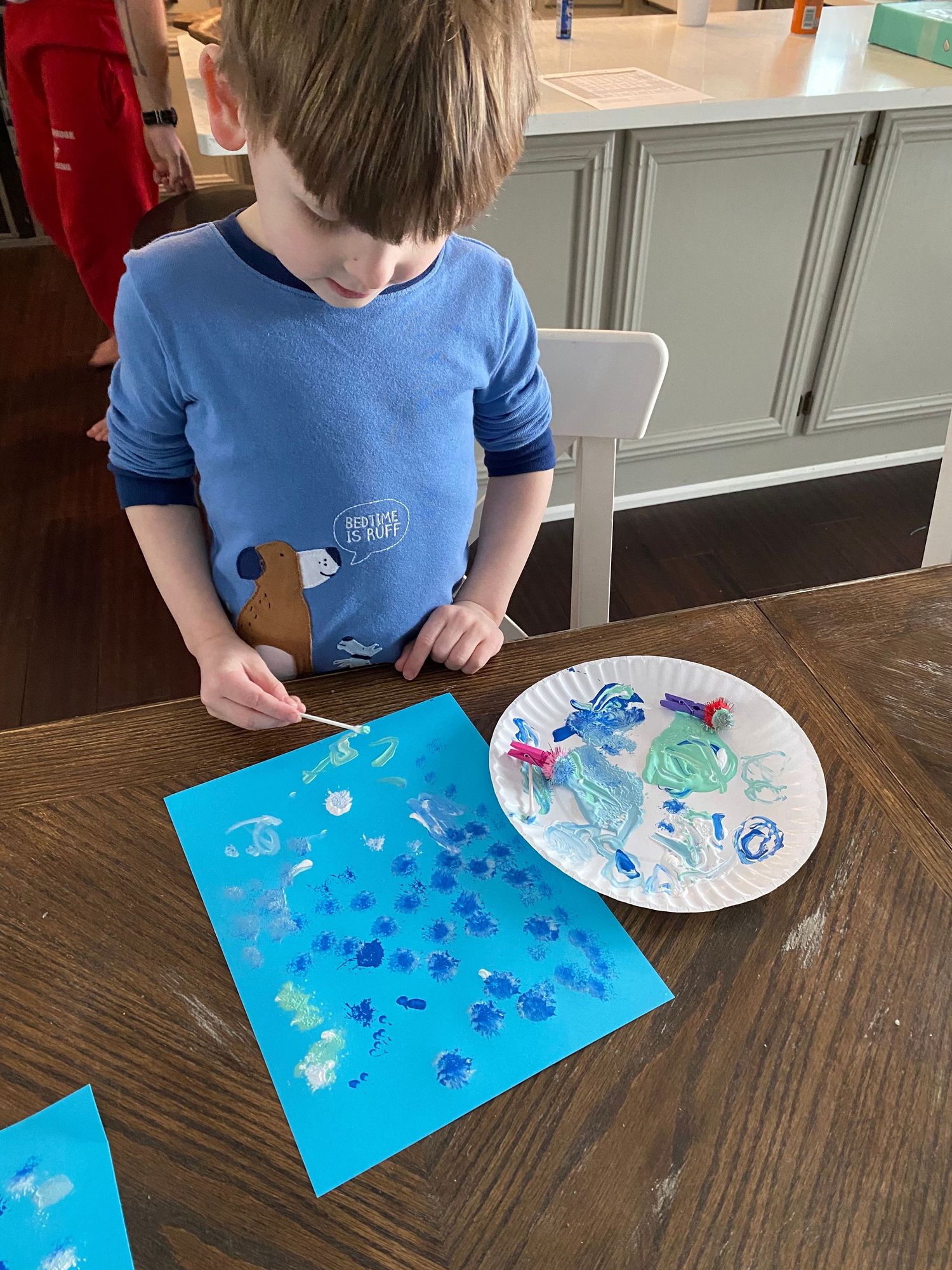
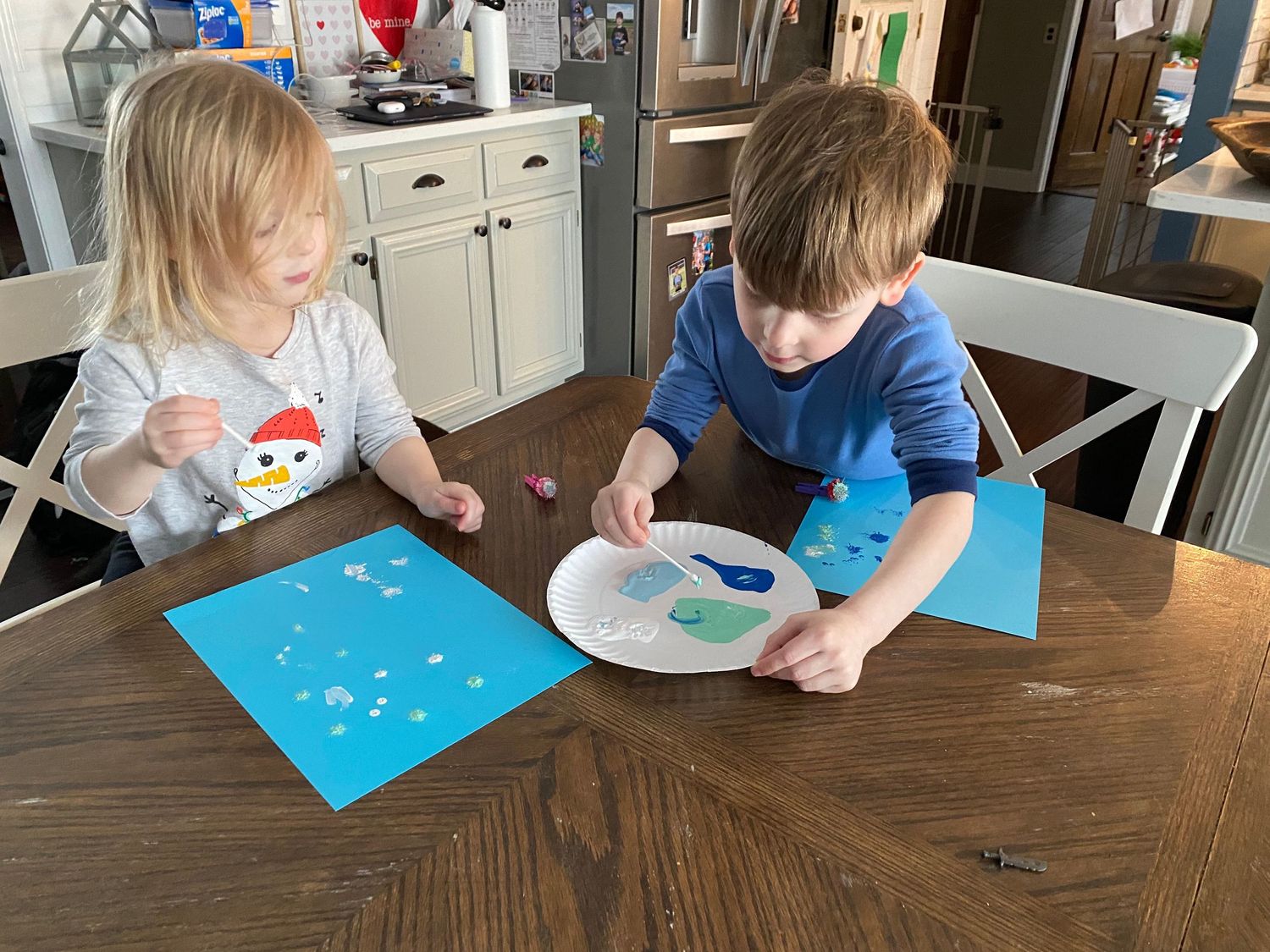
The littles created their own snowflakes using paint and different utensils, like cotton balls, poofs + clothespins, and Q-tips. We also used a few different colors and played around with combining them. Conall then worked on writing his name with a Q-tip and paint.
P is for polar bear
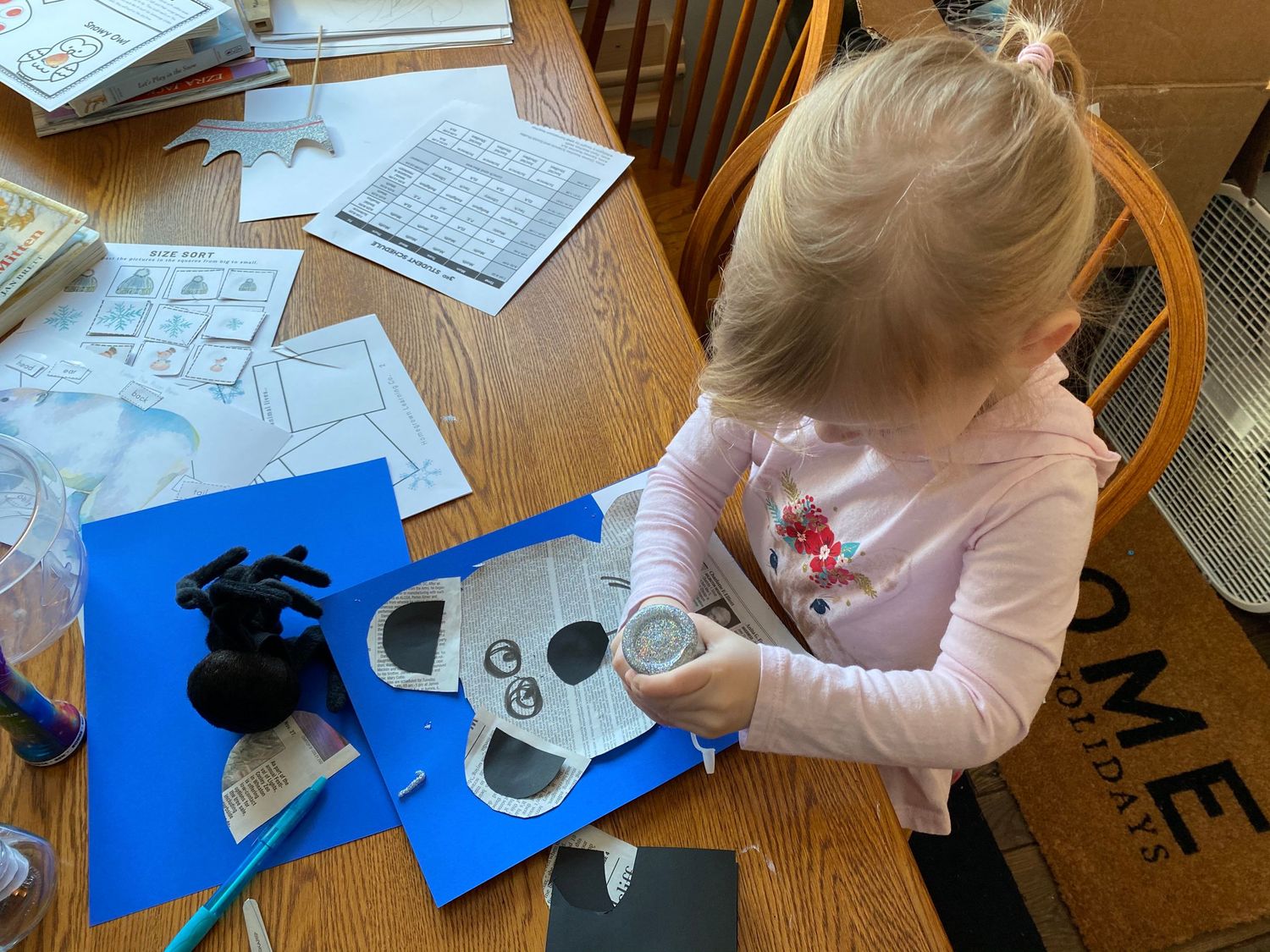
Polar bears are big and white. They have thick fur and a layer of fat caed blubber to keep them warm in the cold weather and icy water. Their fur is oily so they can easily shake off ice and water to stay dry.
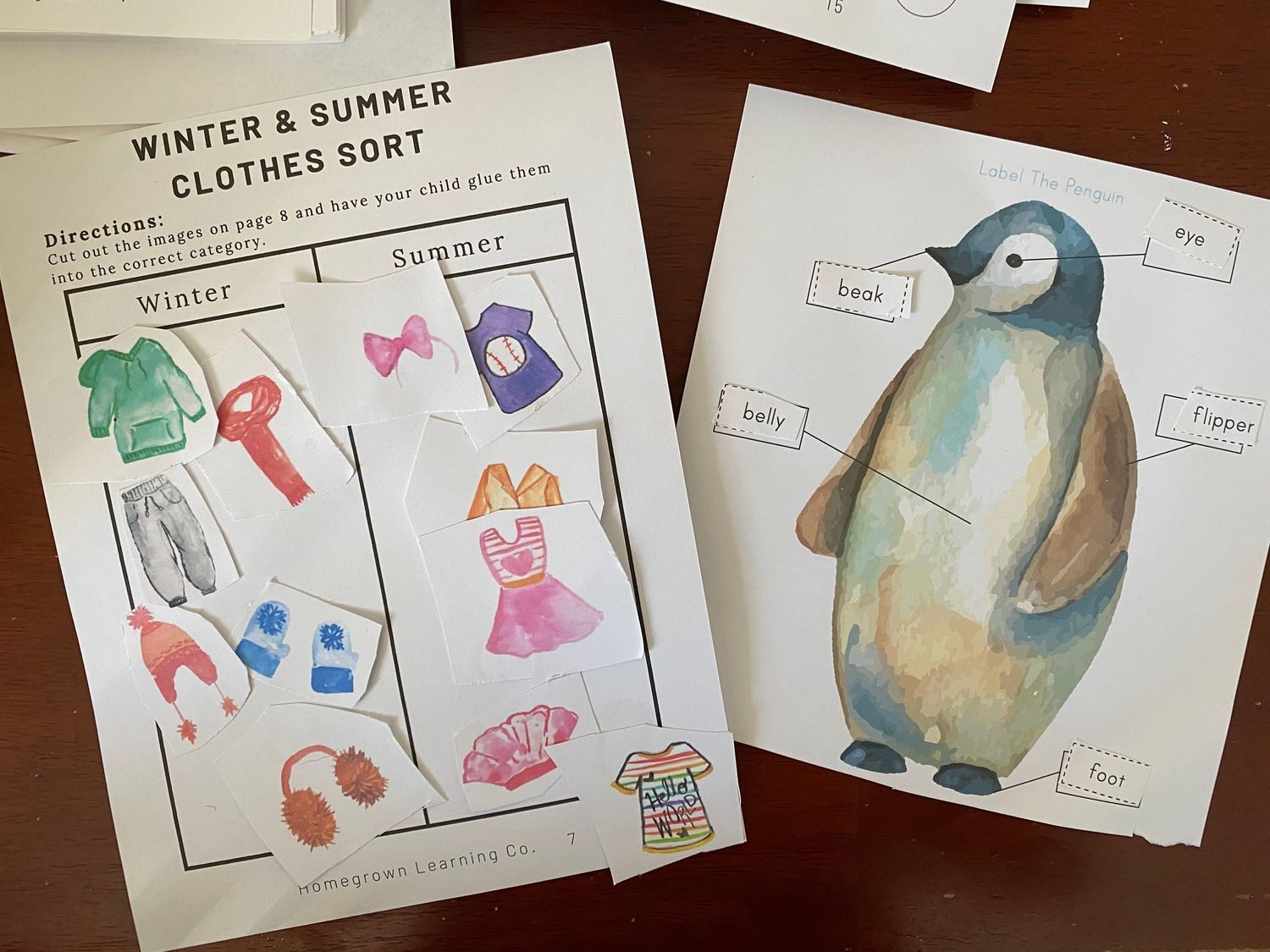
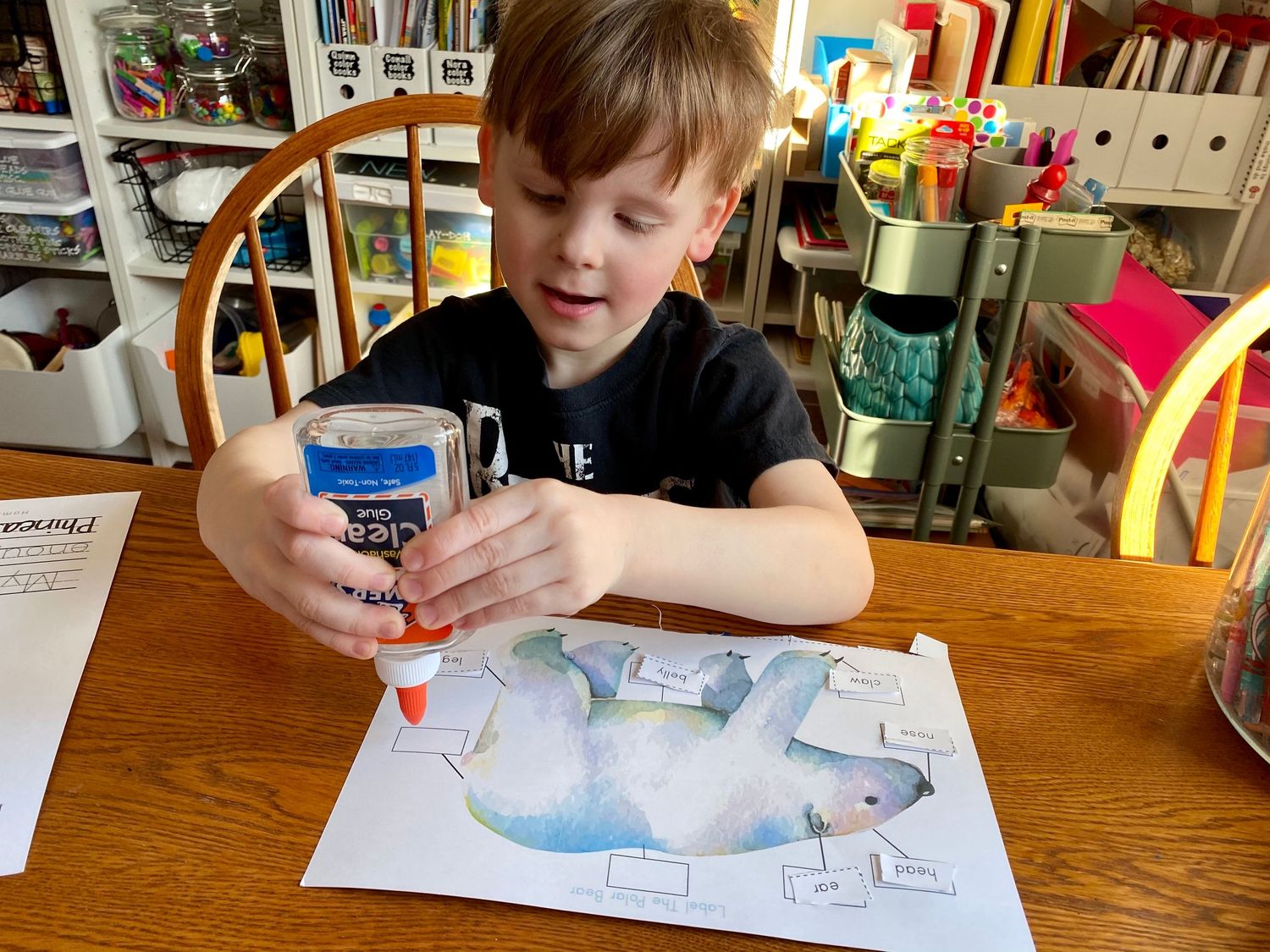
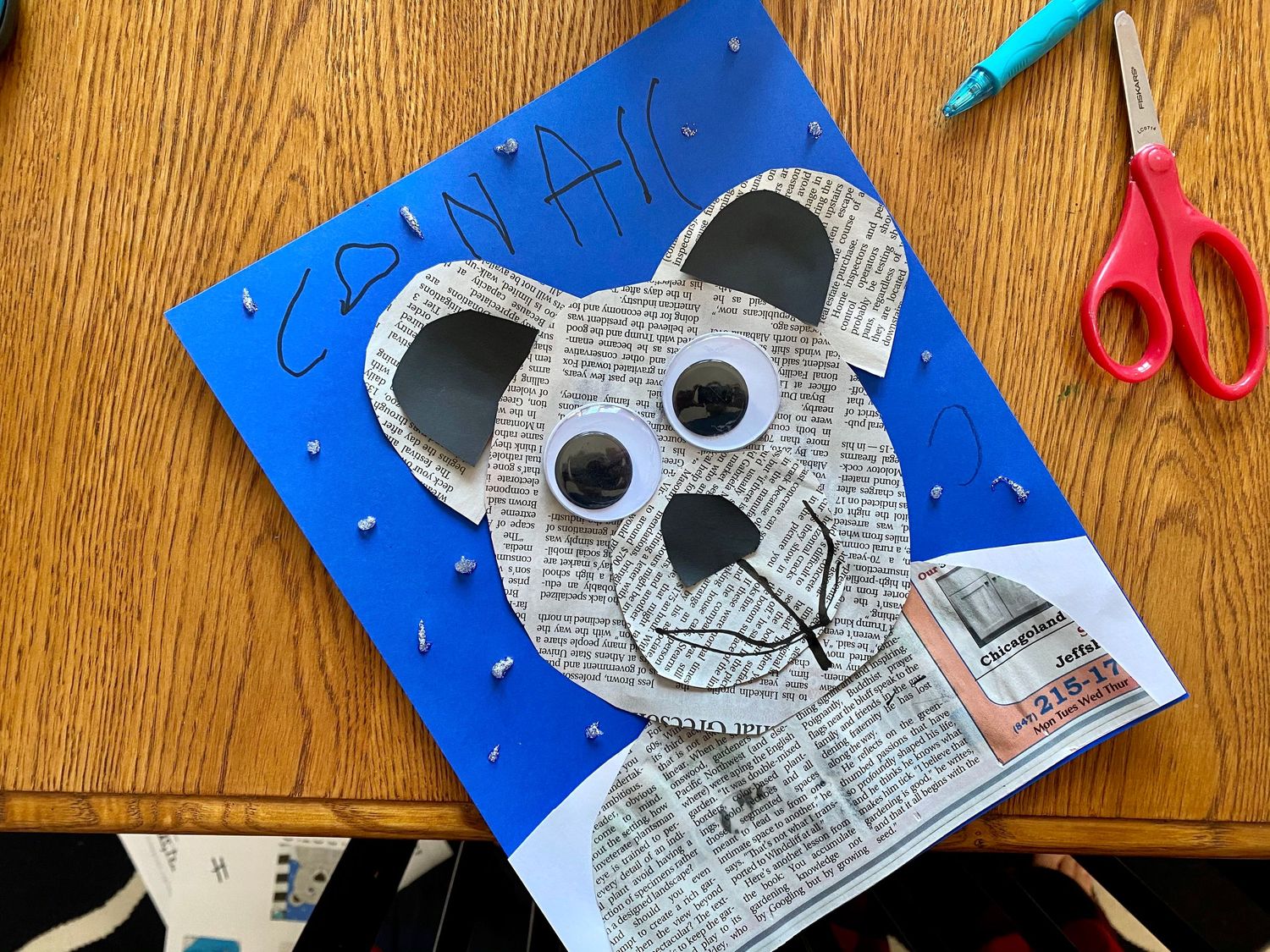
We learned to label the different parts of a polar bear, and we made newspaper polar bears!
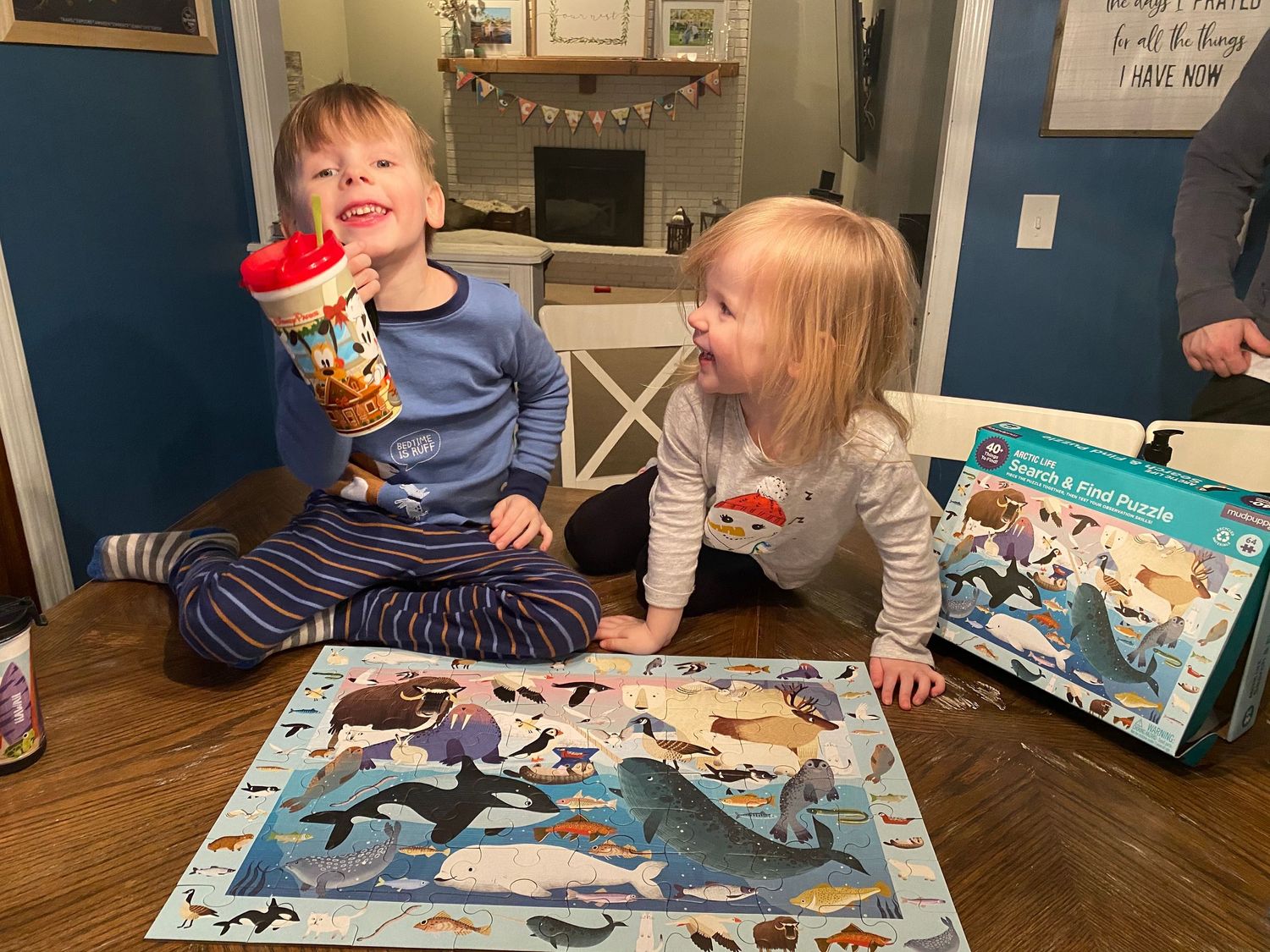
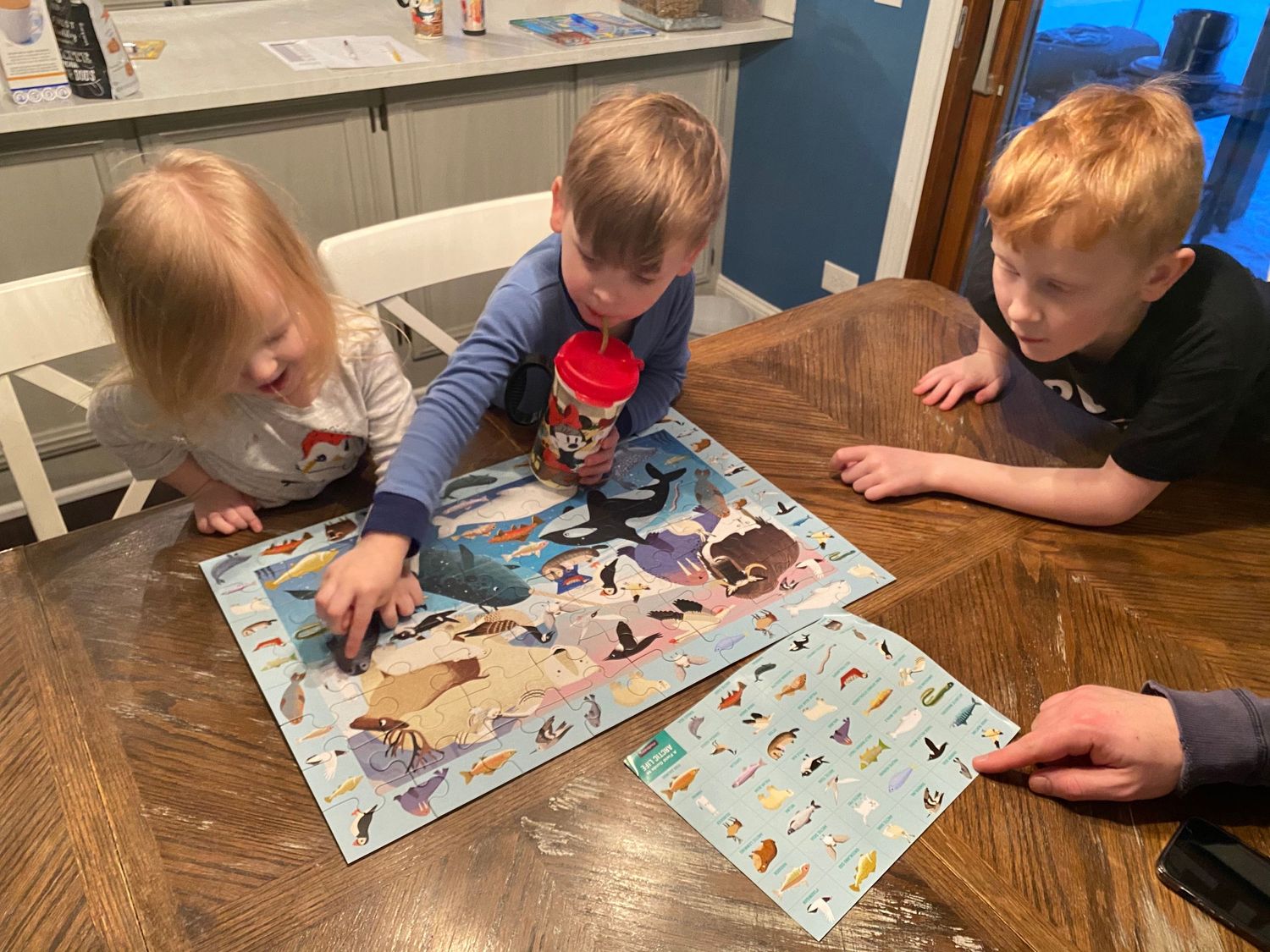
Arctic search + find puzzle
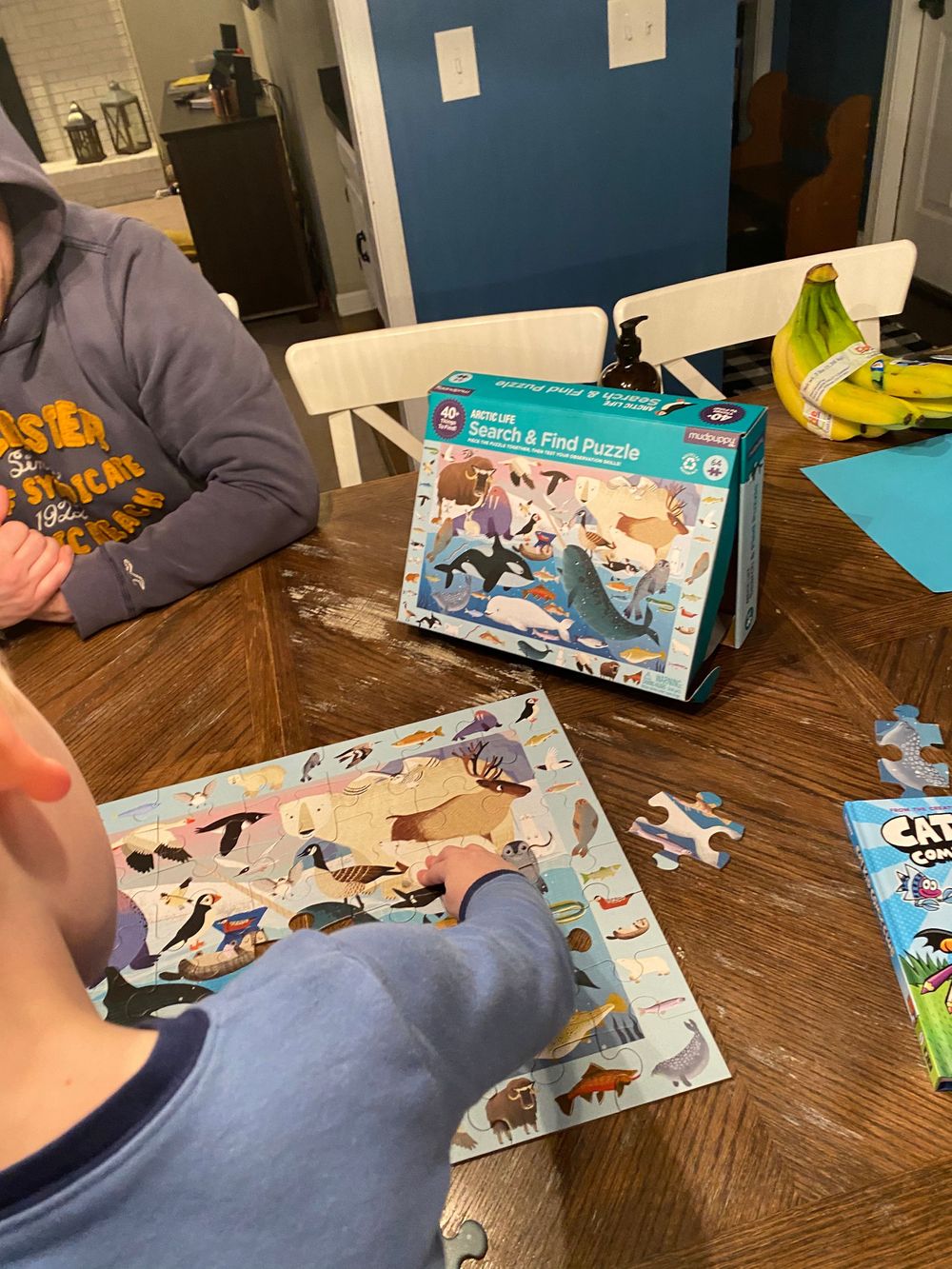
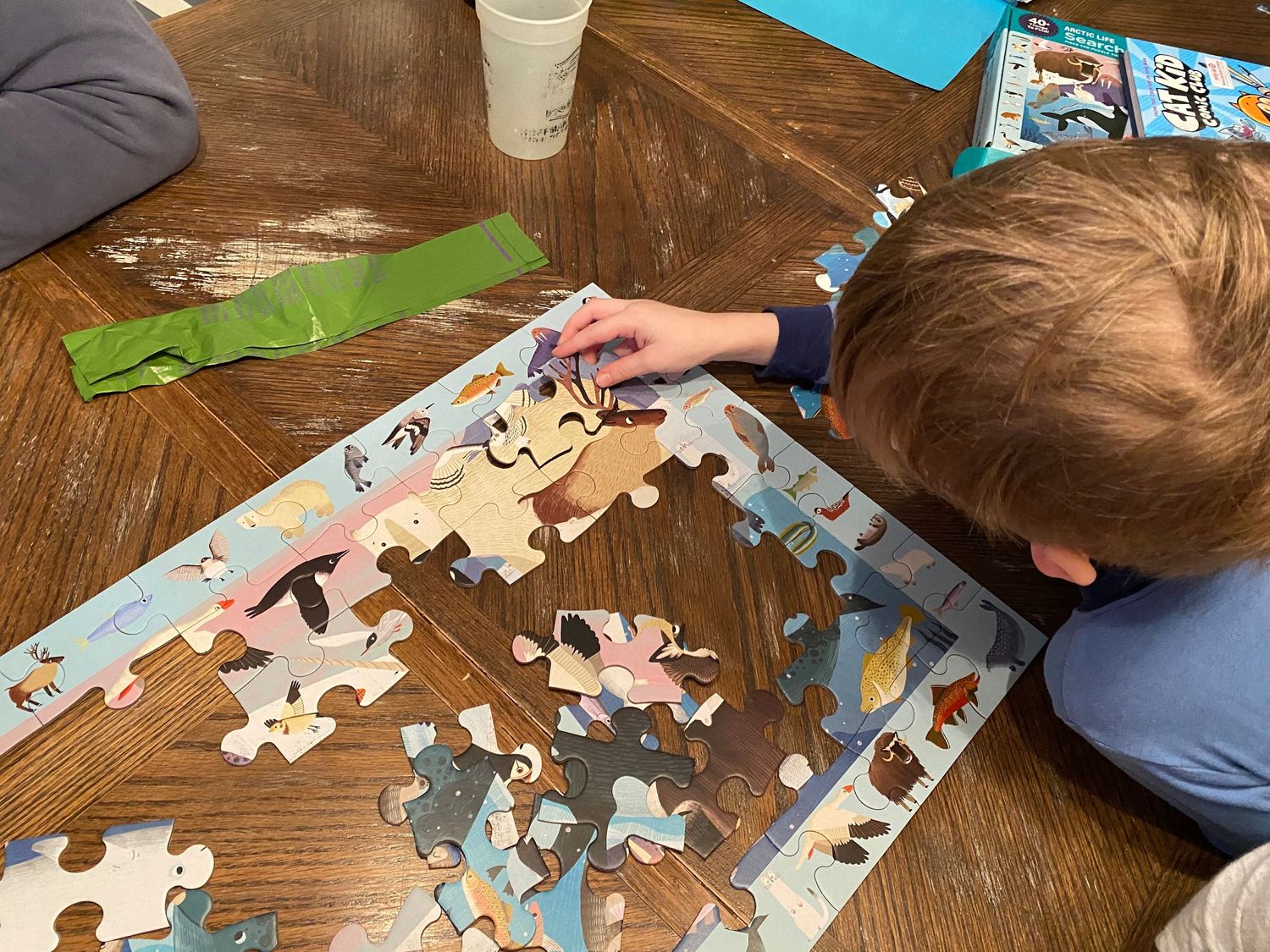
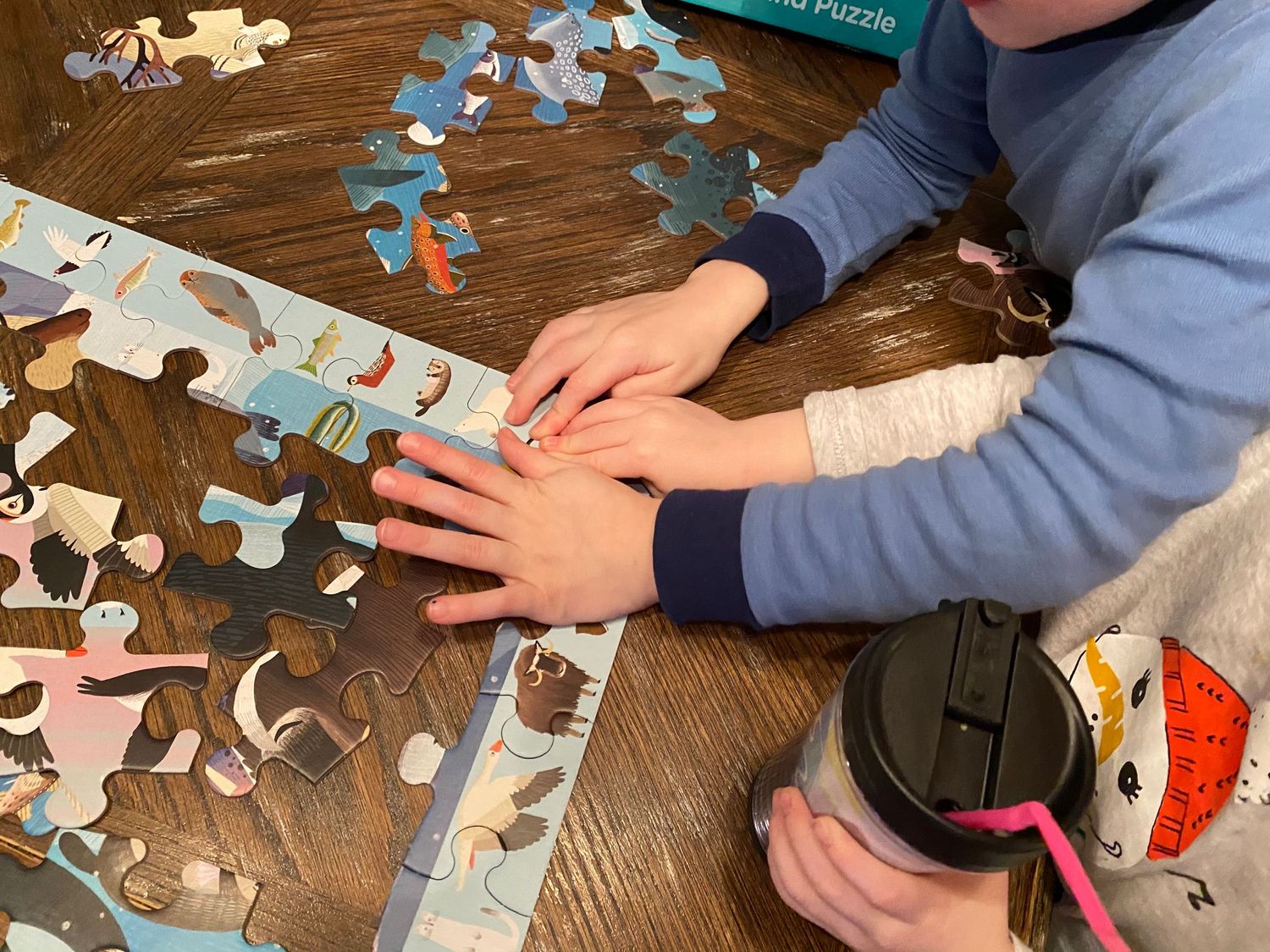
This was a big hit. Nice big pieces made it doable for Nora and Conall, and when the puzzle was done we got to use the included guide to find all different kinds of arctic animal species. A fun family activity!
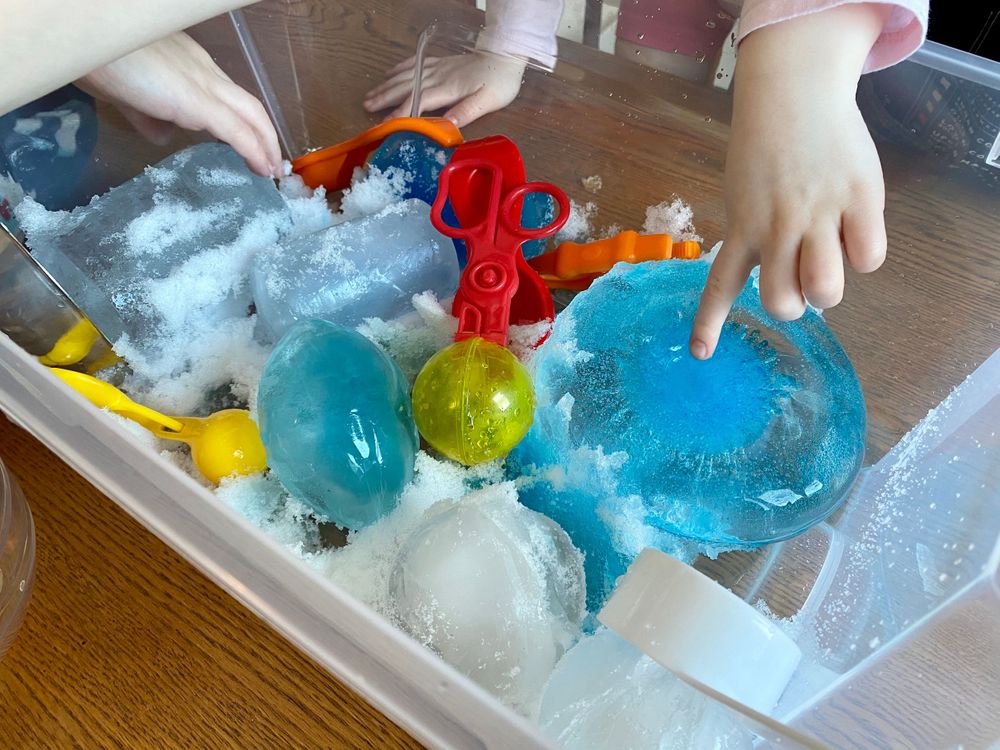
Snow + ice sensory bin
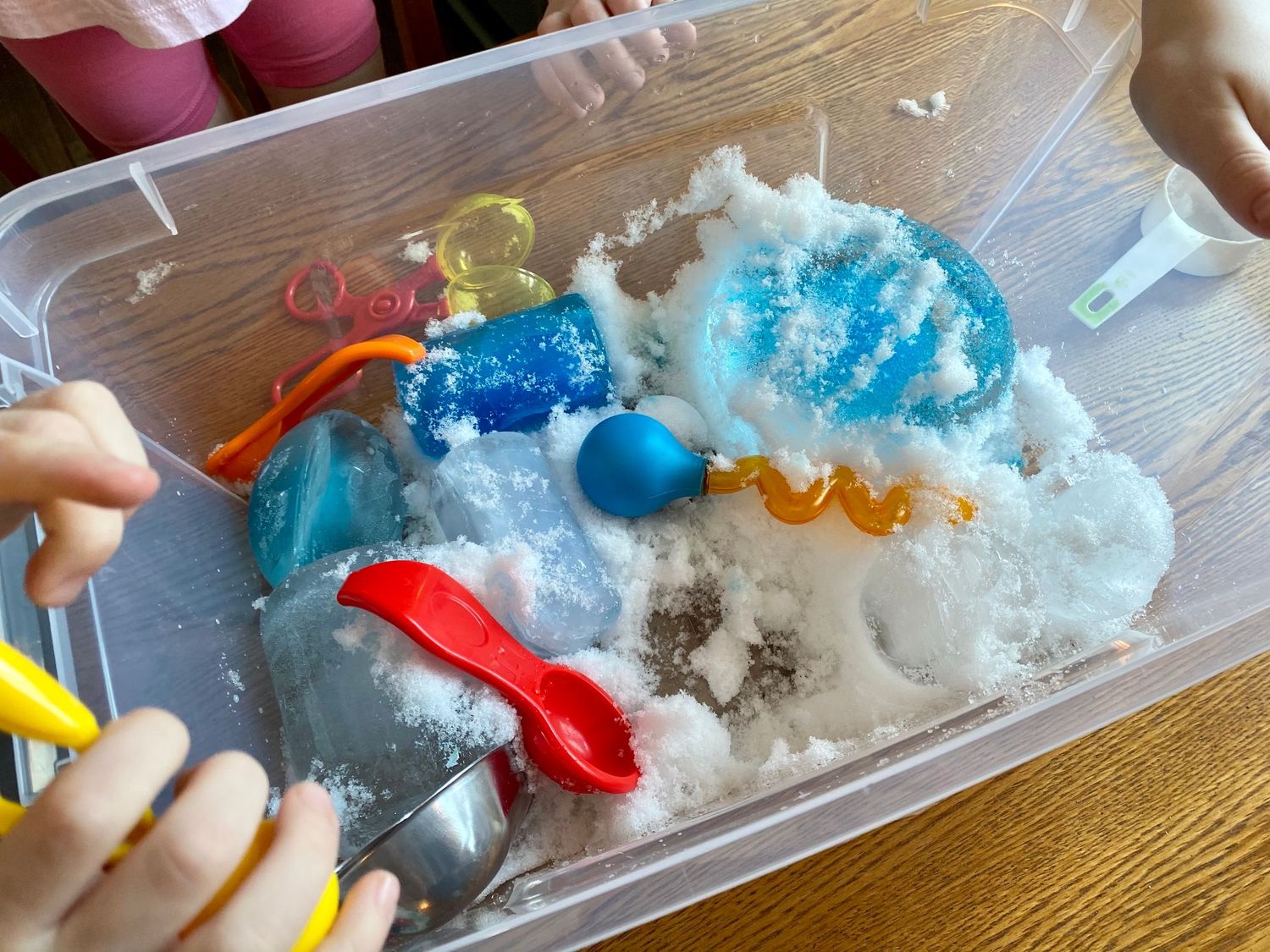
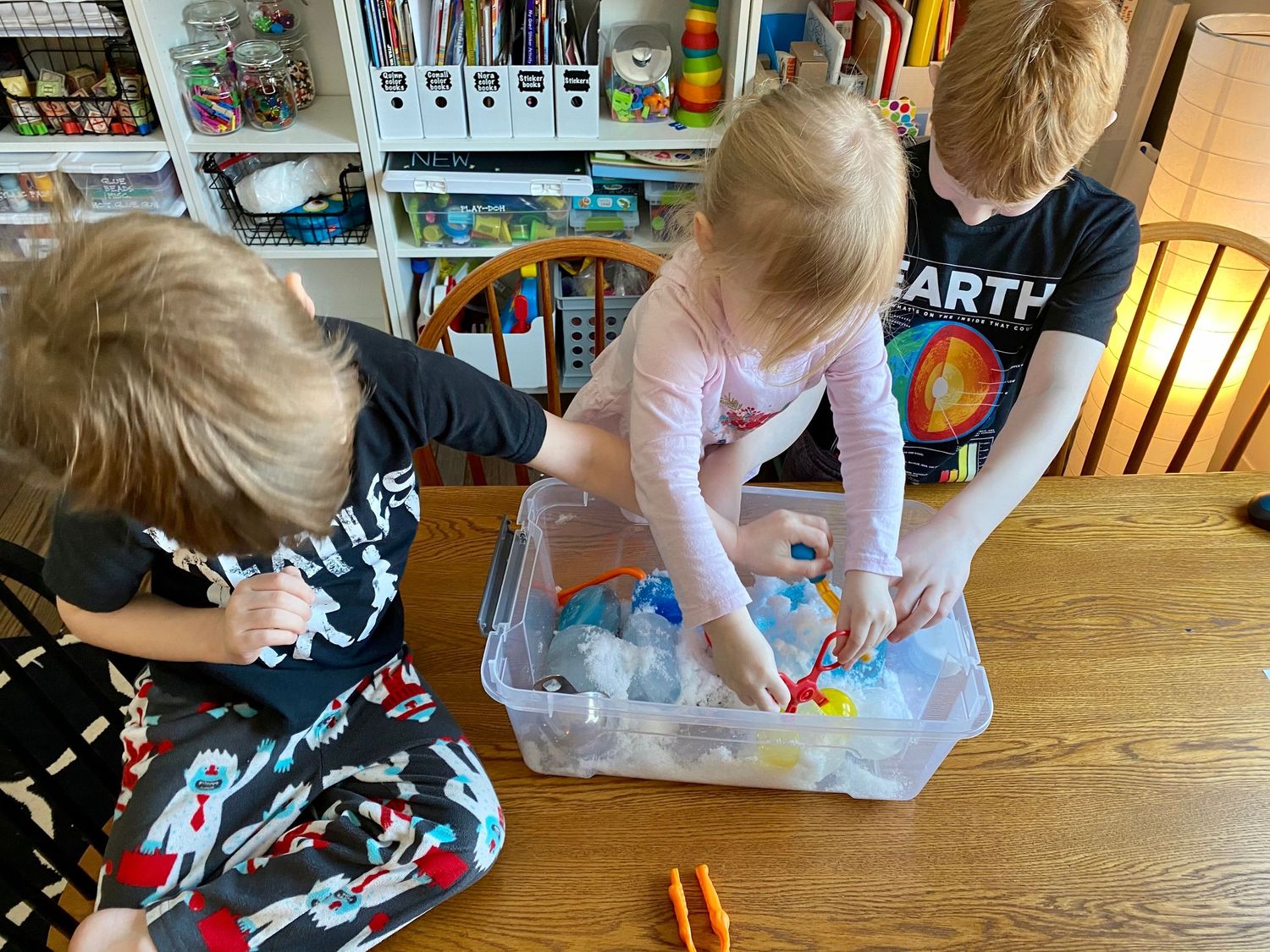
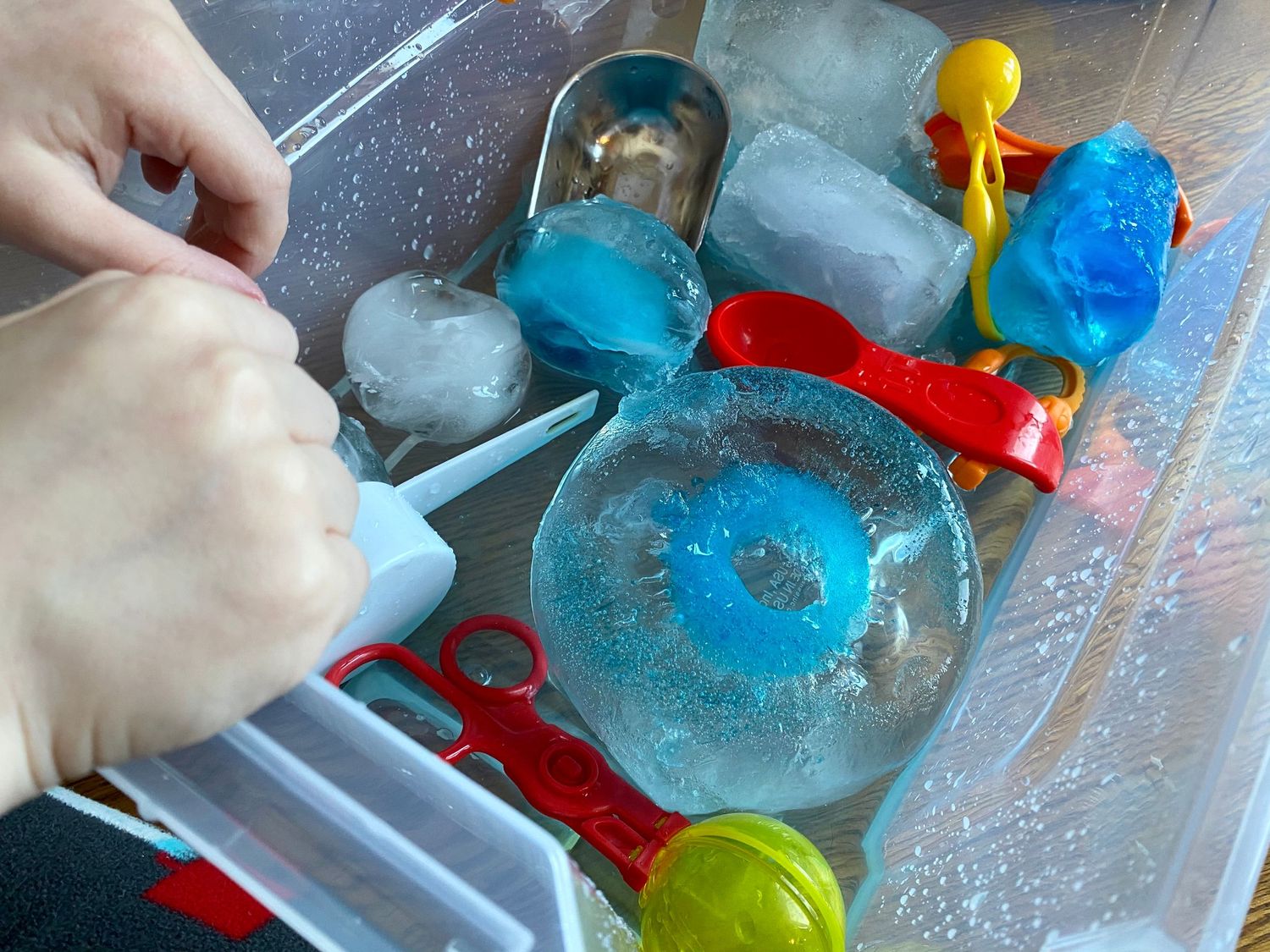
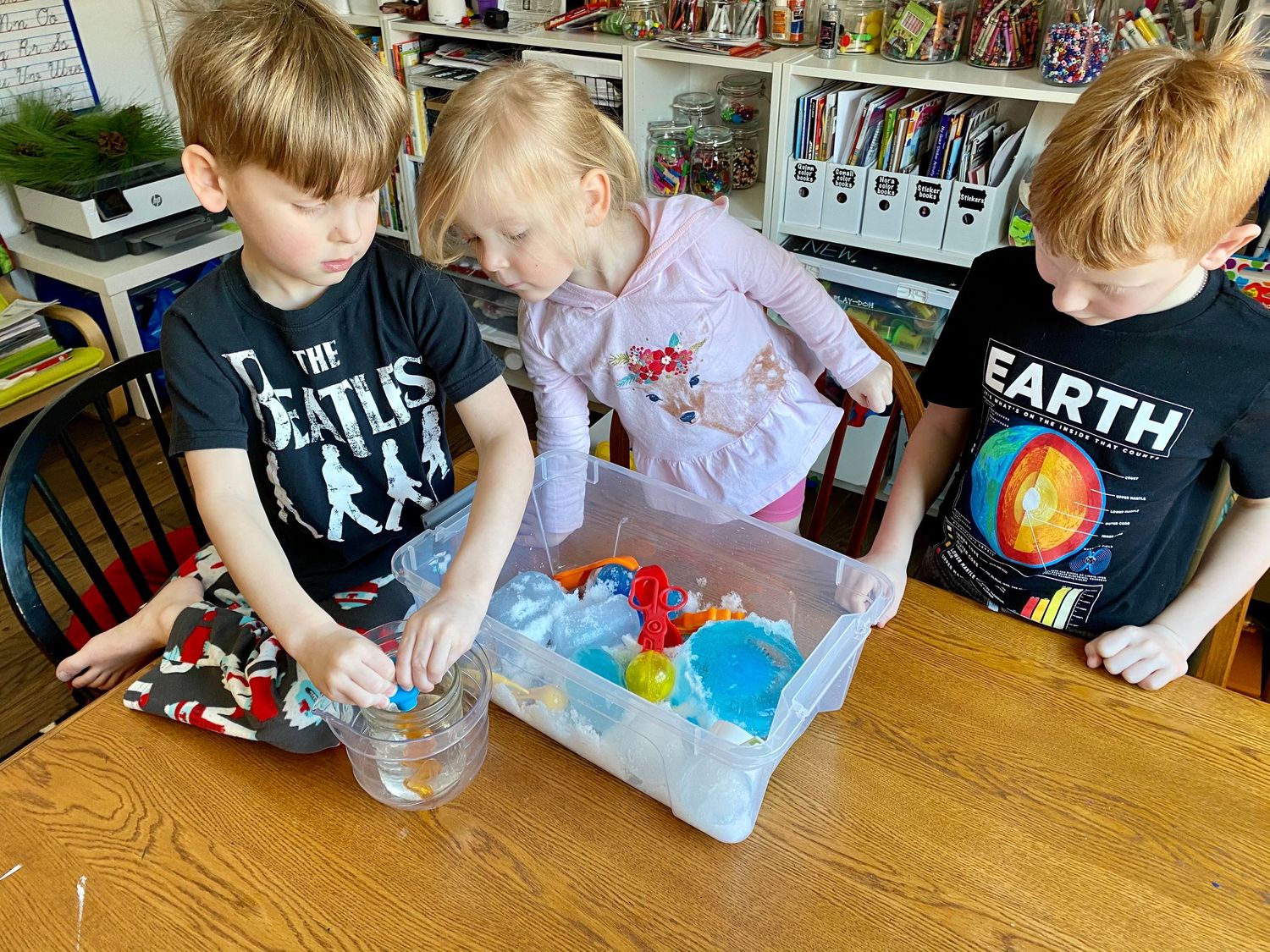
Real snow! Real ice! A cheap and easy sensory bin that only requires planning one day in advance. I used a few different sized/shaped containers to freeze water in, put blue food coloring in some of them, and left them outside to freeze. A few days later, for our final day of this unit, we ended the week with this fun sensory bin! I gave them some different utensils to use as well as a cup with warm water in it. They used the eye droppers to drop warm water onto the ice to make holes in them. The best part was that it engaged all three of my kids and they were, without me intervening, really good about taking turns using the eye dropper. And I sat in the living room, taking in the beauty of the snowy outdoors, with a cup of hot coffee in hand. The perfect end to our snow + arctic animals unit. I think I'll go start a fire and turn on a Hallmark movie now.